

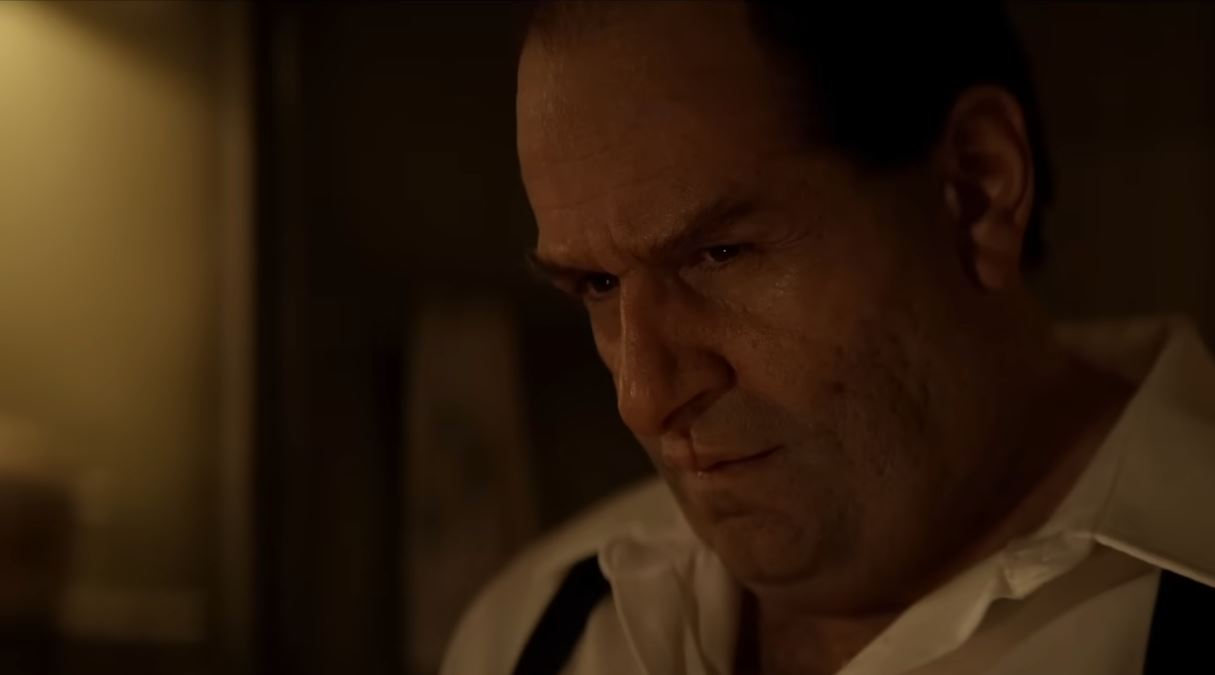
In an early scene in The Penguin, Oswald Cobblepot strolls through Gotham’s wreckage with the measured assurance of a man who has been waiting his entire life for this opportunity. It doesn’t feel like a show about superheroes. It is heavy, narrowly focused, and somewhat cramped, much like the type of crime drama on which HBO established its reputation. That impression isn’t accidental. It was earned, over years of careful decisions that turned what could have been a disposable streaming spinoff into something worth talking about.
Colin Farrell first appeared as Oz Cobblepot in Matt Reeves’ The Batman in 2022, buried under so many prosthetics that his own co-stars walked past him on set without a second glance. Jeffrey Wright, playing Lieutenant Gordon, reportedly looked right through him. Paul Dano claimed to be envious. The first fitting required eight hours of makeup work, which was eventually reduced to three hours per day over the course of more than 80 shooting days. This degree of transformation served as the basis for the entire series.
What’s interesting about how Farrell talks about the role is how freely he gives away the credit. The majority of it goes to makeup artist Mike Marino, who created Oz’s physical appearance. “I have never had such less ownership for a character that I’ve played than this one,” Farrell said. A lead actor’s admission is disarmingly honest, and it probably reveals some of the reasons the show succeeds. The silhouette, the voice, the dialect work Farrell did with coach Jessica Drake over several months, and even the way his eyes seemed to change once everything was in place are all examples of how the production seems to have realized early on that The Penguin’s power came from the combination of all these elements.
One week after the events of The Batman, the show begins with Carmine Falcone dead and a void at the top of Gotham’s criminal underworld. Oz desires to fill it. The entire plot revolves around ambition, loyalty, and violence in a crime drama that dresses like a comic book but isn’t really interested in acting like one. Farrell called it “really dark” and “incredibly violent,” which sounds like a cautionary tale but serves more as a marketing ploy. The series’ creator, showrunner Lauren LeFranc, allegedly called their eight hours of television “twisted.” That word is appropriate.
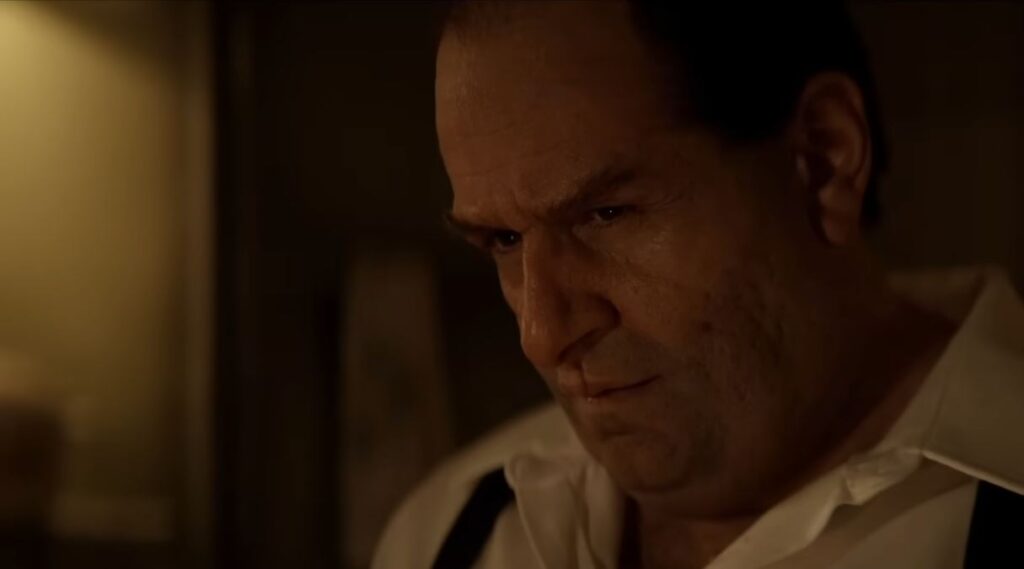
Something genuine was reflected in the numbers. In the first four days of its September 2024 premiere, The Penguin attracted 5.3 million viewers in the United States across all platforms, surpassing the final season premiere of Succession. This is an unexpected comparison for a show about a Batman side character. It also recorded the biggest four-day debut for a new series on Max globally since The Last of Us. For a project that, on paper, sounds like a franchise obligation, those aren’t numbers you stumble into.
A lot of superhero content overlooks the fact that audiences don’t really need the superhero, which Max and the production team seemed to understand. They require a compelling character in a world that feels lived-in. The Penguin borrowed less from its source material’s spandex tradition and more from the crime genre’s long history of watching a man climb toward something he was told he couldn’t have. Critics noticed. Oz was referred to by Filmfare as “the best TV villain in the superhero genre.” According to The Daily Beast, Farrell’s performance was “outright phenomenal.” It’s difficult to predict whether those evaluations will hold up over time, but the response felt sincere rather than forced.
Farrell’s description of the character’s experience is noteworthy. He remarked, “The distance between myself and that character is so significant and so profound,” pointing to the makeup, the silhouette, and how, once everything was on, he appeared to view the world in a different way. That psychological distance might actually be part of what made the performance land. Farrell wasn’t dressing up as a version of himself. Before a single camera rolled, he spent three hours each morning portraying someone he had to reach for. It’s possible that kind of effort shows in ways an audience can feel without being able to name.
The Penguin didn’t reinvent television. However, it accomplished something nearly as challenging: by making a villain spinoff seem essential, it subtly argued that superhero IP and prestige drama don’t have to be mutually exclusive.
