

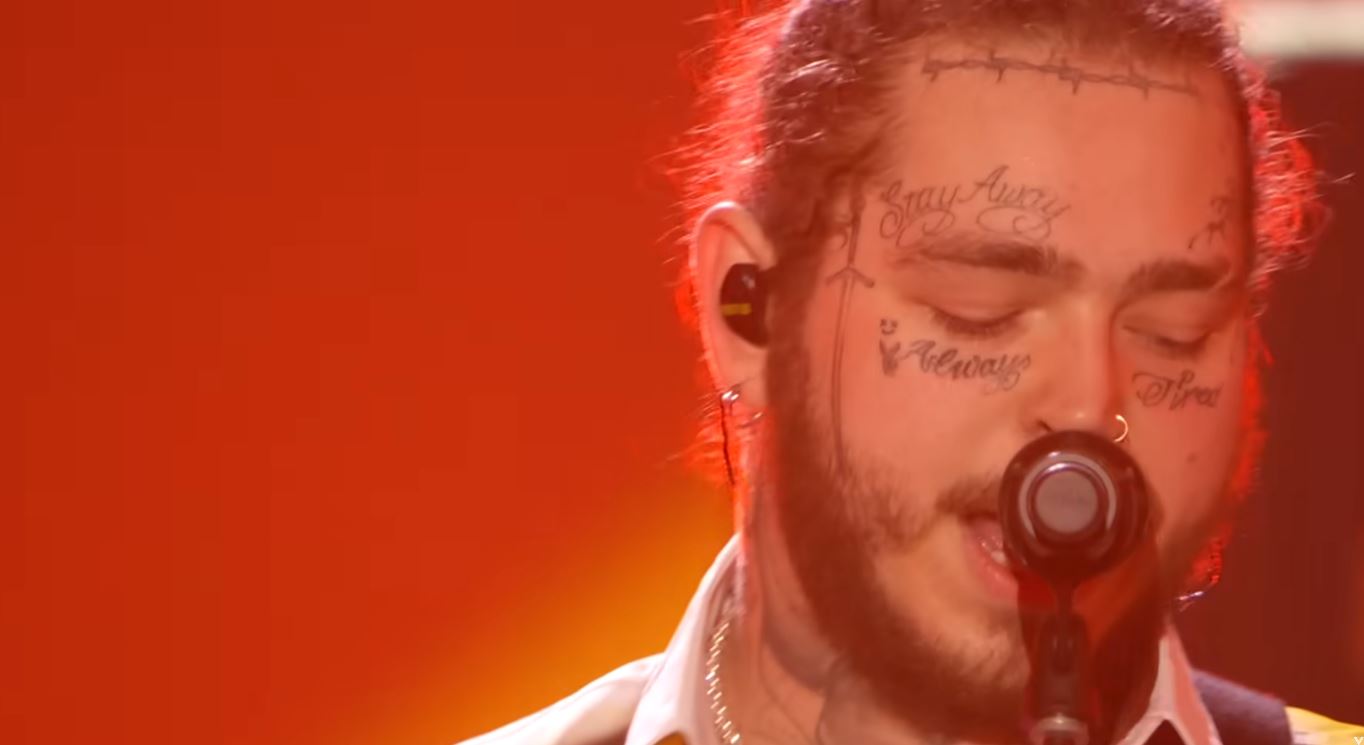
Shortly after becoming a SoundCloud sensation with “White Iverson” in the spring of 2015, Post Malone joked in an all-caps tweet, “WHEN I TURN 30 IM BECOMING A COUNTRY/FOLK SINGER.” Not many people took notice. He was occupied with becoming the newest sensation in rap, a young man from Texas with cornrows and gold chains who sang about money and basketball players. That tweet now reads more like a business plan than a joke, almost ten years later.
From a distance, the 2024 F-1 Trillion completes the transformation, which appears dramatic. A mesh trucker hat and a woolly beard have taken the place of the braids. The Bentley traded for something more blue-collar. However, anyone who kept a close eye on Austin Post anticipated this. His father, Rich Post, told CBS News Texas that the country turn surprised nobody “who’s been along for the whole ride.” That seems about correct. His shoulder was covered in a Johnny Cash tattoo that was never subtle.
The origins can be traced back to Grapevine, a suburb between Dallas and Fort Worth, where Austin, then twelve years old, became so skilled at Guitar Hero that he requested a real guitar for Christmas. He later acknowledged Cash as a formative influence and described him as a great storyteller, citing his mother’s constant playing of country music in the car. If you spend enough time on YouTube, you’ll come across a young, attractive adolescent performing Bob Dylan’s “Don’t Think Twice, It’s All Right” years before anyone knew who he was. In 2013, he was chosen as Most Likely to Be Famous by his Grapevine High classmates. They simply guessed the incorrect genre.
As you watch the arc develop, it’s remarkable how purposefully he moved. The rebranding process took time. He released “I Had Some Help” with Morgan Wallen prior to committing to a full country album, which allowed him to test the waters without staking his entire catalog on the result. It topped the Billboard Hot 100. Only then did F-1 Trillion arrive, stacked with collaborations featuring Luke Combs and other Nashville heavyweights who effectively vouched for him. It’s difficult to dispute Entrepreneur magazine’s later description of the entire strategy as a masterclass in brand reinvention. Until he gained his own credibility, he borrowed it.
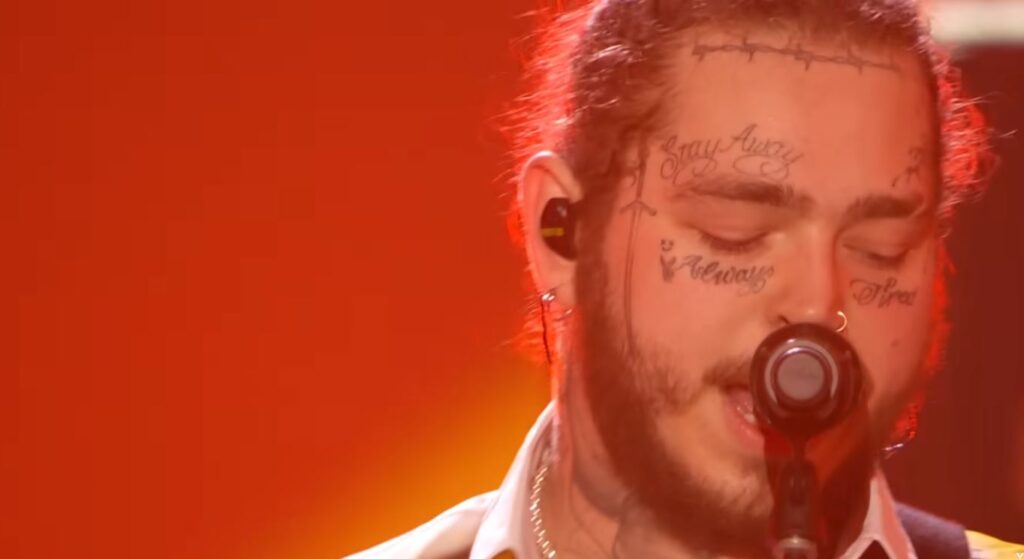
Additionally, there’s a feeling that rap was always the side trip rather than the final destination. The disparity between the swaggering “White Iverson” persona and the singer-songwriter’s obsession with Dylan and Hank Williams was highlighted by NPR. Early on, critics accused him of being a hip-hop opportunist, and perhaps they were partially correct. Pop stardom is what truly made the country dream possible, even if rap was his ticket to the Top 40. Few artists get to reinvent themselves this completely. Fewer still get rewarded for it.
The benefits have been substantial. Five ACM Award nominations brought him back to Frisco, minutes from where he once played the Audi stage at Grapevine’s Main Street Fest for $500. His father is still perplexed as to why children were being paid so much to perform music. Now his son fills stadiums, performs at the Grand Ole Opry’s centennial celebration, and shuts down Broadway in Nashville to shoot videos from the bed of a moving 18-wheeler.
It remains to be seen if country music will keep him. His restlessness seems to be ingrained in his personality. He has previously switched between genres, including pop, rap in Los Angeles, and hardcore bands in high school. But something about this chapter feels different, less like a costume and more like a homecoming. Texas never really let go of him. He might not have actually left.
