

The Glastonbury VIP experience has a certain ridiculousness that never gets old. A music executive wearing a cashmere sweater is standing in a designated bar area with functional taps, real soap in the restrooms, and a lanyard that basically says, “You don’t have to be here with everyone else,” somewhere in a Somerset field a few hundred meters from the Pyramid Stage and its half-million-person audience. It is either extremely offensive or subtly brilliant, depending on your tolerance for such things.
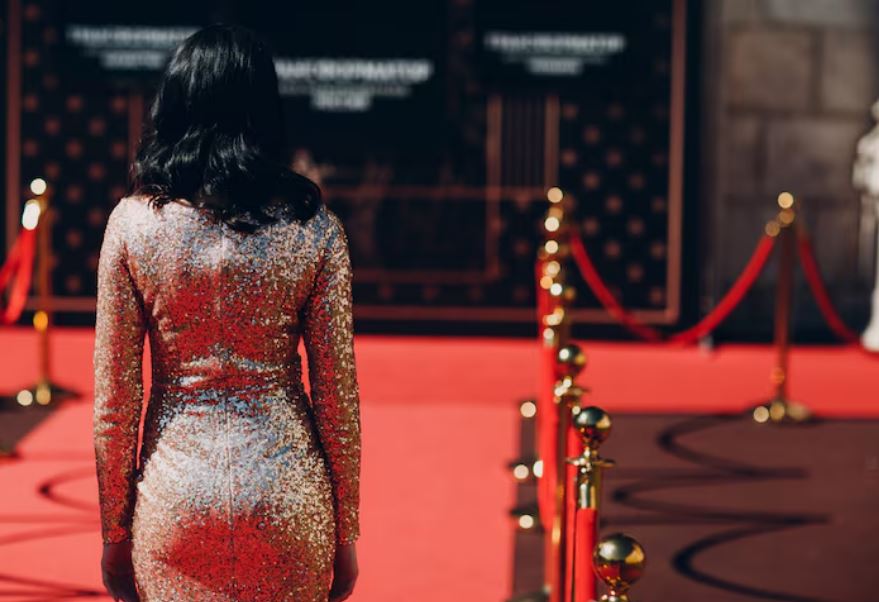
For many years, the Oscars Vanity Fair party at Sunset Tower served as the standard for how celebrities spent their most ostentatious evenings. It had the champagne flutes, the A-list gravitational pull, the sense that being in the room meant something. At its height, it felt less like a party and more like a census of cultural power. There was Taylor Swift. There was Justin Timberlake. Fourteen-year-old Hailee Steinfeld was working up the nerve to ask Quentin Tarantino for a photo. Densities like that are not accidental.
Over the past ten years, however, something has changed—quietly at first, then suddenly. Once firmly rooted in Los Angeles ballrooms and dinner tables following ceremonies, the celebrity circuit has emerged with a truly peculiar rival. Glastonbury’s backstage and hospitality zones have become, for a certain kind of famous person, the place to be seen not being seen. Band members slope about, as one writer observed. Politicians appear. There is a bar that has a lot fewer patrons and none of the bustling that occurs in the main arena. It’s casual in every way that a Vanity Fair party isn’t, and for some reason, that’s what makes it appealing.
Something was made clear by the collapse of glamping earlier this year. A business that sold yurts with beds, couches, and private restrooms for what one customer said was £40,000 for three units went into administration without ever buying the tickets. Unexpectedly, wealthy clients loudly complained to the media. Although it was a mess, it was instructive. Because the episode exposed more than just bad money management. It demonstrated the intense desire of a particular class of people to attend Glastonbury but their lack of meaningful attendance.
The VIP bar area backstage offers access without immersion. You can claim to have been present. From the right direction, you can hear the music faintly. Someone who plays bass in a band you enjoy might have a quick drink with you. You don’t wait forty-five minutes for a lukewarm burger, sleep in a tent that smells like everyone else’s weekend, or cross ten meters of brown sludge to get to a restroom stall. The hoi polloi remain, quite deliberately, elsewhere.
This dynamic may reveal more about celebrity culture than any red carpet ever could. The Vanity Fair party was successful because exclusivity was obvious; everyone was aware that you were in a lovely room, and that was the whole point. Glastonbury’s VIP zone operates on a different kind of prestige. It allows people to reject the mud while claiming the legitimacy of a muddy festival. There’s a sense that the discomfort is the credential, which makes avoiding the discomfort a very particular kind of fraud.
It’s difficult to completely regret it, though. In 2011, Beyoncé performed in front of an audience that was drenched and then abruptly baking, and the show received more BBC views than any previous set. When Oasis took the stage in 1995, British culture underwent a real transformation. The VIP bar is, at the very least, close to Glastonbury’s actual history. The philosophical question of whether proximity qualifies as presence probably merits more careful consideration than it currently receives.
What seems clear is that the social function once performed by polished rooms in West Hollywood is now, at least partly, performed by a gated area behind a Somerset stage. Both are, at their core, the same thing: a curated space where famous people can be around other famous people without dealing with everyone else. The address is now different. The cashmere sweater, though, remains exactly the same.
