

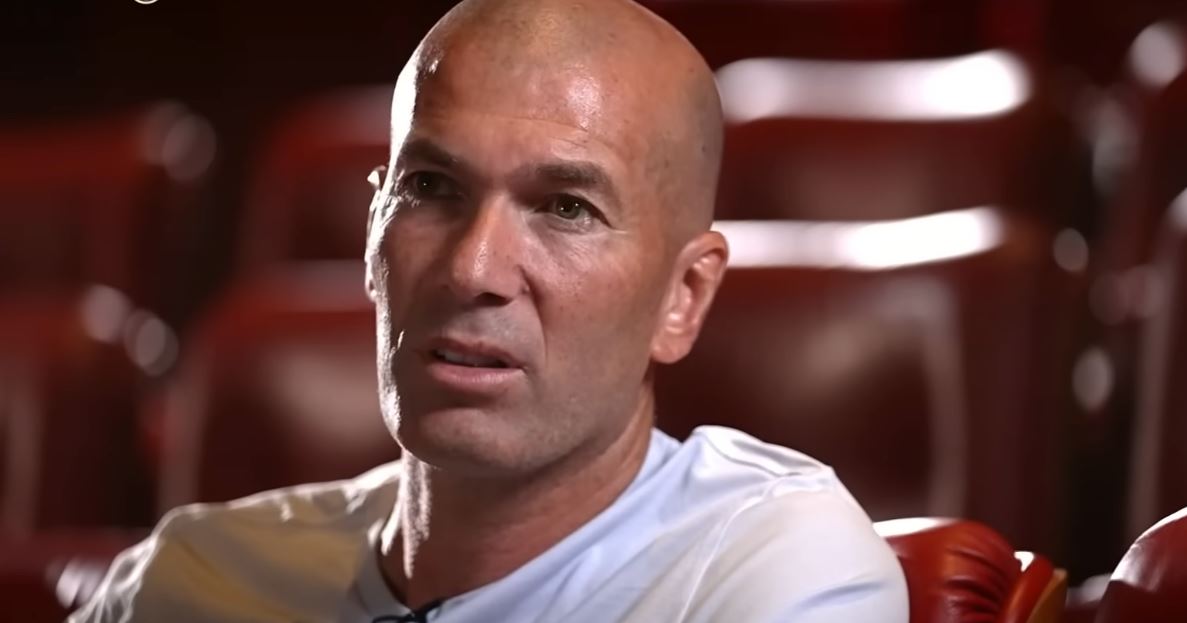
There are some last names that make it difficult to breathe. Among them is Zidane. Zinedine Zidane made history in 1998 when he won the World Cup on home soil in Paris, in front of a nation that practically worshipped him. Not merely a trophy. A legacy that would accompany his kids into every locker room, every announcement of the lineup, and every moment that is a little too long before a journalist poses the obvious question.
Luca, his 28-year-old son, is playing goal for Algeria in the 2026 World Cup while trying to come to terms with everything.
Luca is the sole custodian and the second-oldest of Zinedine’s four sons. He currently plays in Spain’s league system for Granada; his club career has been steady but unremarkable. For years he represented France at youth level, which seemed like the expected path. However, he moved to Algeria, the nation of his grandparents’ birth, in 2025. It wasn’t a sudden decision. He spoke with his family, his brothers, his grandfather. By all accounts, his father was encouraging. Luca said earlier this month, “My father was happy,” to The Athletic. “He knew it was something I wanted to do.”
There’s something worth sitting with in that quote. He did not claim to have been shoved by his father. He didn’t say it was done for strategic reasons or eligibility windows. It sounds, genuinely, like a young man trying to find a national identity that felt real to him rather than inherited. “We’ve lived in an Algerian culture since we were small,” he said. That line matters more than people might realize.
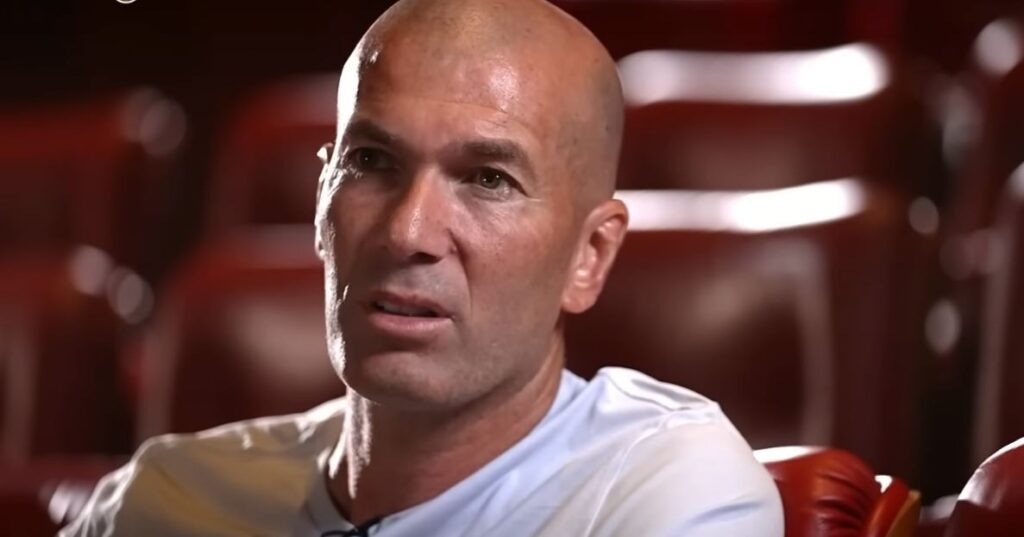
The 2026 World Cup hasn’t gotten off to a good start. In their first Group J match, Argentina defeated Algeria 3-0, with Lionel Messi scoring a hat-trick. Luca received some criticism for playing behind a defense that was obviously overpowered; considering the score, this criticism seems a little unfair. He was also wearing a protective mask that day, having fractured his jaw and chin in a club collision back in April and needed surgery. It was his first competitive appearance in weeks. To be honest, he was calm under pressure.
What has been quietly striking is his openness about the mental side of all this. He recently disclosed that he has been seeing a psychologist, and to put it simply, it has transformed his life. “Today, it is just as important to be mentally fit as it is physically,” he stated. Saying that aloud requires a certain level of self-awareness, especially if you’re already dealing with the kind of public scrutiny that comes with your last name. Almost casually, he added that his mother, not his well-known father, is the one who gives him the hardest post-match evaluations. That detail feels both funny and oddly humanizing.
He is obviously not attempting to be his father, and Luca Zidane is not. He plays an entirely different role. He picked a different nation. He’s developing his career under different circumstances, with different clubs, and at a different speed. What makes his story genuinely interesting isn’t the legacy — it’s how deliberately he seems to be stepping around it while still honoring where he comes from. It’s unclear if Algeria will make it further in this competition. It seems more open and worthwhile to ask whether Luca can become a World Cup goalkeeper that people remember on his terms than it did a month ago.
