

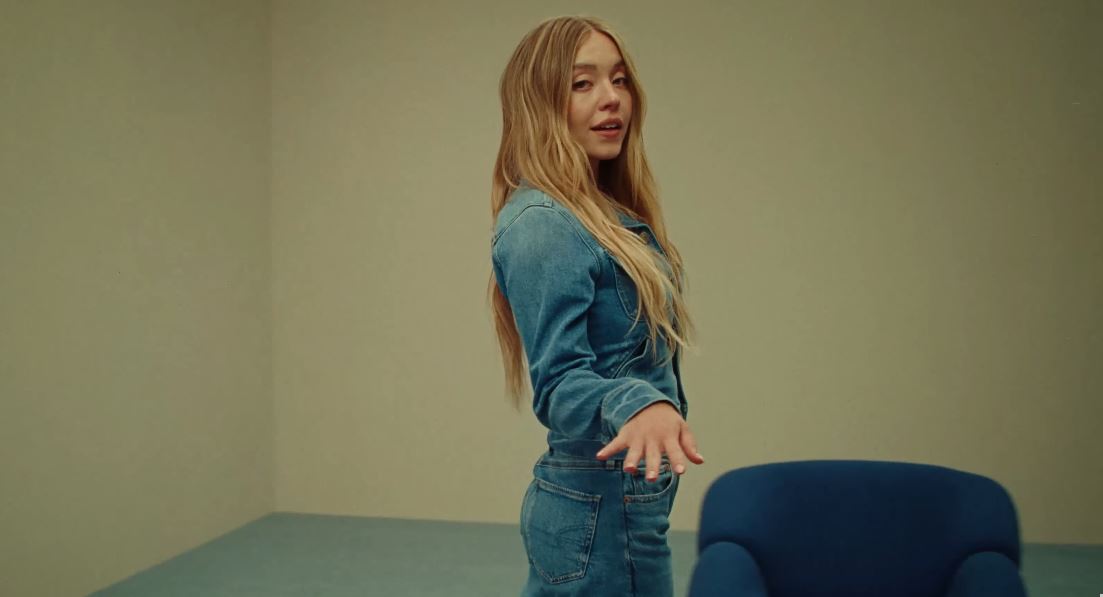
There’s a moment somewhere in Euphoria’s third season where Cassie Howard, dressed in a dog costume while her husband Nate watches, films content for her OnlyFans. It’s outrageous, technically well-acted, and almost immediately viral. It’s also, depending on who you ask, either a sharp commentary on how the attention economy degrades women or just a very expensive fetish scene produced by a premium cable network. The fact that both interpretations are defensible says everything about where this show has landed.
Euphoria debuted in 2019 with a particular kind of urgency. It wasn’t subtle — it never pretended to be — but underneath the neon lighting, the glitter-streaked closeups, and the needle-drops, there was something emotionally honest happening. Rue’s addiction felt real. Cassie’s need for validation felt recognizable. Jules navigating her identity felt like a conversation the show was genuinely trying to have. For a specific demographic of teenagers at a specific moment, it landed like a mirror held up close.
Season three picks up five years after high school ends, and the characters are fractured in ways that should feel tragic. Rue is a drug mule working at a strip club while secretly informing for the DEA. Cassie is making erotic content to fund wedding flowers while her marriage to Nate quietly rots. Jules has abandoned art school to become a sugar baby. These are dark directions, and there’s an argument — a real one — that they reflect something true about the economic precarity and moral compromise facing young people today. Sam Levinson clearly believes he’s still saying something. Whether the show actually lands that message is another matter.
The numbers haven’t abandoned Euphoria. The season three premiere drew more than 12 million US viewers and surpassed 20 million globally, a 68 percent increase over the season two premiere in the same window. So the audience showed up.
But something is different in how they’re engaging. Fan forums, social feeds, and comment sections are split in a way that feels less like normal critical debate and more like a generational shrug. Many of the fans who were teenagers when the show launched in 2019 — the ones who recognized Cassie’s objectification and Rue’s spiral from their own lives — are now in their mid-twenties. And a notable number of them say they’ve simply moved on.
It’s possible to defend individual elements of the season and still feel like the whole doesn’t cohere. Sydney Sweeney’s performance as Cassie is, by most accounts, committed and genuinely skilled. The addiction storyline has been praised by therapists for shifting toward psychological honesty rather than stylized glamour.
And the return of Cal Jacobs — in what became the final on-screen performance of Eric Dane, who died in February — carried a quiet weight that felt like the old Euphoria briefly surfacing. But these moments exist inside a season that also includes cockatoo assassinations, a mummification fetish subplot, and a sequence critics are calling “Thotzilla,” in which a giant version of Sydney Sweeney’s character rampages between skyscrapers. It’s the kind of scene you either find funny or alienating, and there doesn’t seem to be much middle ground.
The creative road to season three was genuinely difficult. Production was delayed after rewrites stalled, the show lost Angus Cloud to an overdose and producer Kevin Turen to sudden heart failure, and tensions between Levinson’s scripts and the expectations of his cast were reportedly significant. The final season, confirmed to be the last, landed on Metacritic with a 43 percent score — the show’s worst yet. What came out the other side feels like a show that lost its footing somewhere in all that grief and pressure and never fully found it again.
There’s a strange kind of cultural melancholy in watching Euphoria end this way. The show once felt like it understood something specific about growing up online, about performing yourself before you’d figured out who you were. It turns out that’s a very hard thing to sustain as the characters get older, as the cast becomes famous, and as the cultural moment moves. Cassie dressing as a dog goes viral for a week. The emotions that made people care about Cassie in the first place are harder to access now. Maybe that’s the point. Or maybe the show just got lost. Either way, it’s over — and that might be the most honest ending it could have managed.
