

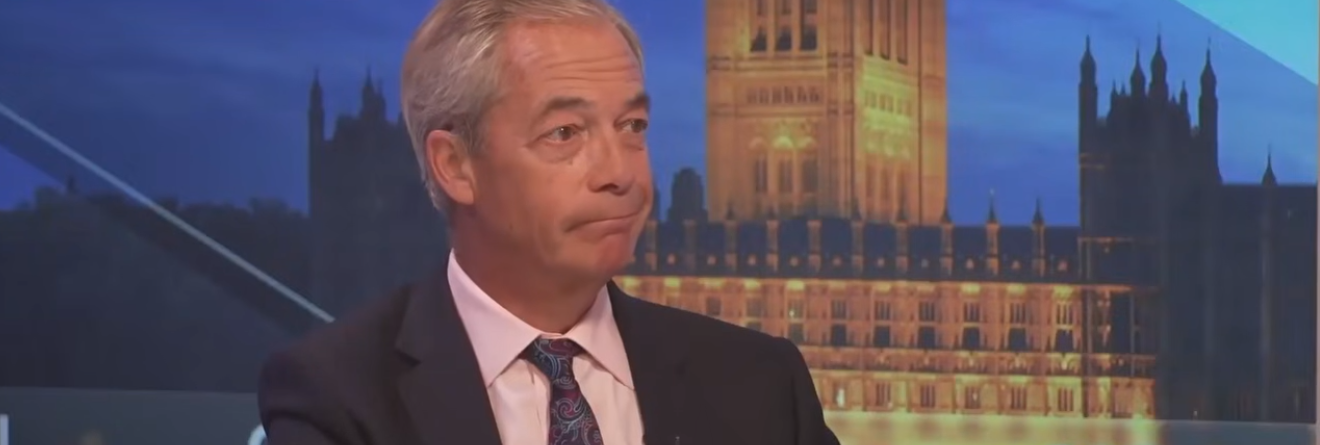
Nigel Farage‘s supporters are familiar with the “provocateur” version of the politician. This is the man who has made a living by not getting upset about things like abuse, protests, or even the odd milkshake. Then there is the version that came out in his long video statement. In the middle of a speech full of political anger and self-mythology, something that felt truly personal came through. It was about a home. It was more specifically about the house his daughter lives in.
The Times published an article last week that looked at Farage’s property portfolio. This was part of a larger conversation about his finances, which included questions about the large gifts he received from wealthy friends Christopher Harborne and George Cottrell. The Commons standards commissioner is now looking into this matter. There was a picture of a house in a village in Kent in that article. The paper said that this is where Farage’s daughter lives. The address plate wasn’t clear. The place was only described in general geographic terms. But that was already too much for Farage.
In his words, he had “never been angrier.” There was something different about the way he said it compared to how he usually does things. When dads say something like that, they truly mean it.
The problem, and there is always a problem with Farage, is what made him so angry. He has previously posed happily outside of that very same house, with the address plate clearly visible and no sign of worry. I think that detail should be taken into account since at least one Conservative MP brought it up. The man who now wants the door to privacy to be locked seems to have left it open before. Still, the fact that he once showed the house himself doesn’t mean that a young woman who had nothing to do with any of this has no risk when a national newspaper publishes it during a political storm.
There is real tension. Looking closely at Farage’s finances is a valid form of journalism. People really want to know about his property holdings, where that money came from, and what he declared and what he didn’t declare. The financial arrangements of a sitting MP are not kept secret. His adult daughter, on the other hand, is a whole different story. She’s not an MP. She wasn’t running for anything. And her house is even less important to the public than her dad’s bank statements, by any reasonable measure.
For some reason, this difference seems to be forgotten when a politician is criticized for a long time. There is a real urge to pile on in newsrooms, on social media, and everywhere else. There’s no chance that the journalism is flawed, but it is possible that the lines between what is important and what isn’t start to blur.
When it comes to privacy, Farage is not an easy person to defend. He has made a living fighting politics in a mean and often personal way. He doesn’t mind putting people’s lives and reputations in danger when it works for him. The standards investigation into his behavior is very serious, and it’s not at all clear what he meant when he said it was about being persecuted.
There are a lot of people who don’t like Farage’s politics, but even they agree that the daughter house moment was something different. That was what one Green Party leader said, saying that as a parent, he knew what it was like to worry about a child’s safety being drawn into a public storm. It’s rare enough that this kind of empathy across political lines is worth mentioning.
In the end, the episode shows something that is older than the current news cycle. People who are famous give up some privacy. Most definitions of journalistic ethics say that their kids shouldn’t, or at least shouldn’t do it unless they are already famous. There are times when the line isn’t straight. But it usually does exist. That line should be checked when a story about a politician’s property portfolio comes up. The question that should be asked is whether the detail was needed or just there.
