

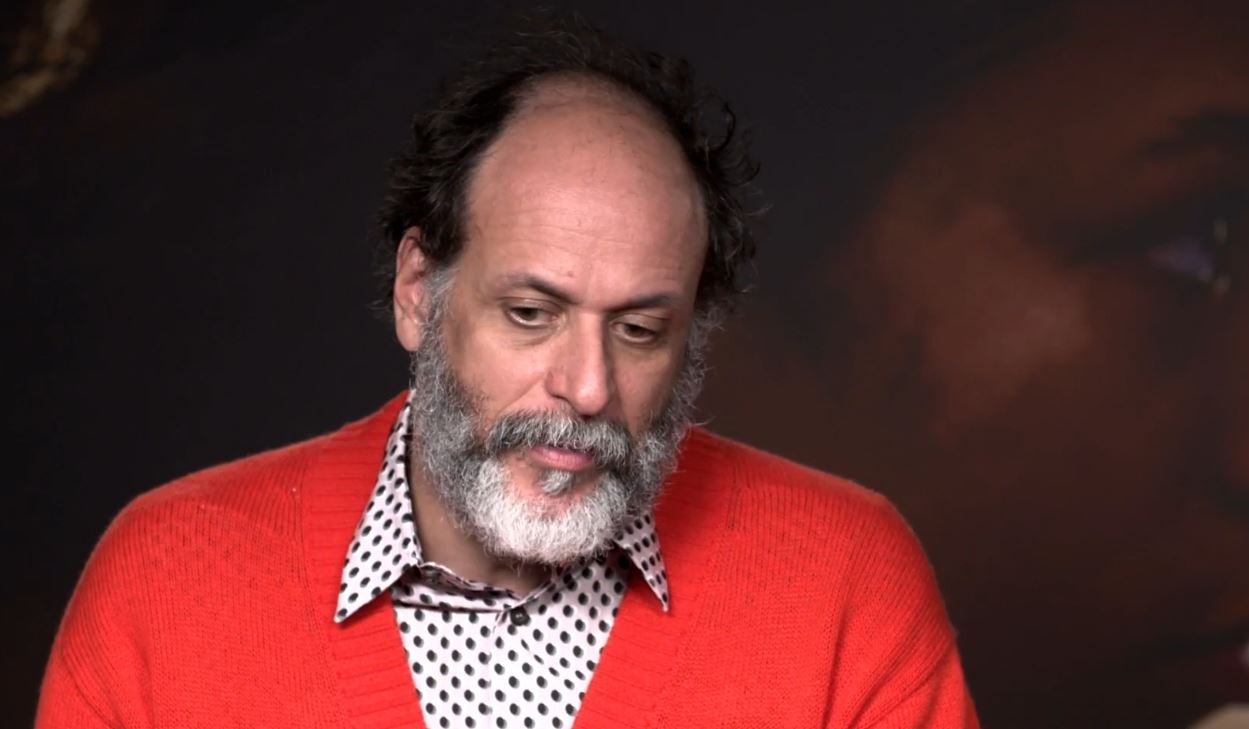
There’s a version of this story that’s simple. Amazon spent roughly $40 million developing a prestige biopic about Sam Altman and OpenAI, directed by one of the most respected filmmakers alive, and then — with the movie nearly finished — quietly walked away. The studio issued a bland statement about the film being “better served” elsewhere. Neon, the scrappy distributor behind past Oscar winners, swooped in to pick it up. End of story. But the simple version leaves out the part everyone in Hollywood is actually talking about: the $50 billion.
Earlier this year, Amazon announced a massive investment in OpenAI, the very company whose internal drama forms the backbone of Luca Guadagnino’s “Artificial.” The film chronicles those chaotic days in late 2023 when Altman was fired by OpenAI’s board and then, in a move that stunned Silicon Valley, reinstated just days later. Andrew Garfield plays Altman. Ike Barinholtz plays Elon Musk. Mark Rylance, Monica Barbaro, Jason Schwartzman, and Billie Lourd round out a cast that would make any awards strategist’s pulse quicken. The script, by “SNL” veteran Simon Rich, reportedly treats Altman as deeply untrustworthy and Musk as thoroughly dislikable. It’s hard not to notice the timing of Amazon’s exit.
Amazon MGM Studios developed the project from the ground up. They partnered with Guadagnino’s team at every stage — pre-production, shooting in San Francisco and Italy, through months of post-production. Test screenings were reportedly positive. And then, suddenly, the studio decided it didn’t want to release the movie it had helped build. The official explanation was polite corporate language. The unofficial explanation, which nobody in the industry seems shy about stating, is that releasing a film portraying your new $50 billion business partner’s CEO as a scheming liar creates a certain awkwardness that no press strategy can smooth over.
What makes the whole episode feel slightly absurd is that Amazon presumably read the script before greenlighting production. The tone wasn’t a surprise that emerged in the editing room. Matt Belloni of Puck, who read early drafts, described it as a direct indictment of the reckless culture behind AI commercialization. The material was always going to be sharp. But between the time cameras started rolling and the time the final cut was assembled, Amazon’s financial relationship with OpenAI deepened considerably. The movie didn’t change. Amazon’s priorities did.
Guadagnino himself has been remarkably composed about the whole affair, telling reporters he wasn’t surprised. There’s a certain irony in a filmmaker known for sensuous, emotionally layered work — “Call Me By Your Name,” “Challengers,” “Bones and All” — finding himself at the center of what amounts to a corporate conflict-of-interest story. He’s still in business with Amazon on other projects. The relationship, apparently, survives everything except a movie that makes the wrong billionaire look bad.
Neon’s acquisition feels fitting. The company has built its reputation on exactly this kind of culturally charged, conversation-starting cinema. They’ve committed to an Oscar campaign and are reportedly eyeing a Venice Film Festival premiere, which would track with Guadagnino’s history of debuting films there. It’s worth noting that Netflix, A24, and Focus all passed on the project before Neon stepped in. Whether that reflects concerns about the film’s quality, its political sensitivity, or simply the discomfort of distributing a movie that several of the most powerful people in technology would prefer didn’t exist is anyone’s guess.
The broader lesson here might be the most uncomfortable one. Hollywood studios are increasingly entangled with the technology companies they sometimes want to make films about. Amazon is both a movie studio and a tech giant with deep AI ambitions. When those two identities collide over a single project, it’s not hard to predict which side wins. The movie still exists, and it will likely reach audiences eventually through Neon. But the fact that a nearly finished, well-cast, well-directed film about one of the most consequential corporate power struggles in recent memory had to go looking for a new home says something about where the real power sits — and it isn’t in the director’s chair.
