

When you watch your neighborhood burn on a security camera from a hotel room two miles away, a certain kind of tiredness sets in. Mandy Moore, Billy Crystal, and Paris Hilton were among the famous Hollywood figures who survived the January 2025 Los Angeles wildfires; for them, the catastrophe involved more than just property loss. It was the culmination of a long-simmering discontent with Los Angeles life.
Even longtime residents were shocked by the violence with which the fires tore through Pacific Palisades. Almost 12,000 acres were lost. Homes that families had occupied for forty-six years, such as Crystal’s, which he and his spouse had shared since 1979, were reduced to ashes. Mark Hamill drove down a road with active fires burning on both sides in order to evacuate Malibu at night. These losses weren’t hypothetical. They were irreversible.
The cameras then showed up while everyone was still in disbelief. Celebrities being photographed by paparazzi in evacuation zones turned into a real ethical flashpoint, the kind of event that causes people to reevaluate not only where they live but also how they want to live. That reevaluation pointed north for several stars.
For many years, Vancouver and Los Angeles have had very different public photography cultures. Compared to California, British Columbia has more stringent privacy regulations. In the most Canadian sense of the word, local perceptions of celebrities are cooler; they’re not hostile, just unconcerned. Additionally, the ability to simply walk into a coffee shop and get coffee is something that hardly exists in Los Angeles due to informal norms that have been reinforced in some areas by clearer legal boundaries around harassment and filming in public spaces.
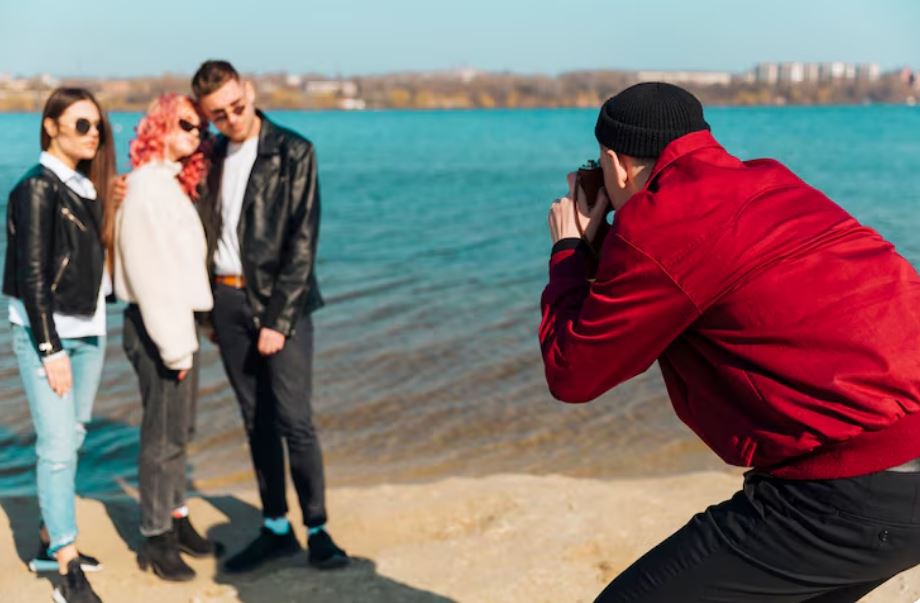
In some parts of the internet, where every listing for a celebrity home in British Columbia is seen as proof of a massive exodus, the allure of Vancouver may have been exaggerated. Beneath the noise, though, is something genuine. According to reports, Justin Timberlake and Jessica Biel left Los Angeles in part to shield their kids from the ongoing pressure from the lens. They’re not the only ones who think that way. For many wealthy and flexible parents, it is becoming more and more difficult to justify raising a family in a place where a telephoto lens can find you in your backyard.
In addition, Vancouver is one of North America’s busiest film production hubs. Often referred to as “Hollywood North,” it has played host to numerous American productions for many years. This implies that directors and actors are already familiar with the city, have connections there, and are aware that working in Vancouver does not entail going out of business. What could otherwise feel like a rupture is softened by the geography.
Additionally, it seems as though something that was already in motion was accelerated by the L.A. fires. For years, residents had grown weary of the city’s high cost of living, traffic, and increasingly challenging climate—dry winds, fire season that no longer seems like a season. The migration was not brought on by the January disaster. It eliminated whatever remained to keep people in place.
The Pacific Northwest is not the ideal place to get away. There isn’t anywhere. Additionally, Vancouver faces its own challenges: housing prices have skyrocketed, and the city is hardly noticeable on the international scene. However, it provides something that Los Angeles, for all its glamour, has mostly stopped providing for a certain type of famous person, such as someone who wants their kids to take the bus or who wants to buy groceries without a photographer noting the brand of yogurt they chose. A portrayal of everyday life that doesn’t seem like a show.
That’s a big deal. This could also help to explain why there is no indication that the silent northward drift will stop.
