

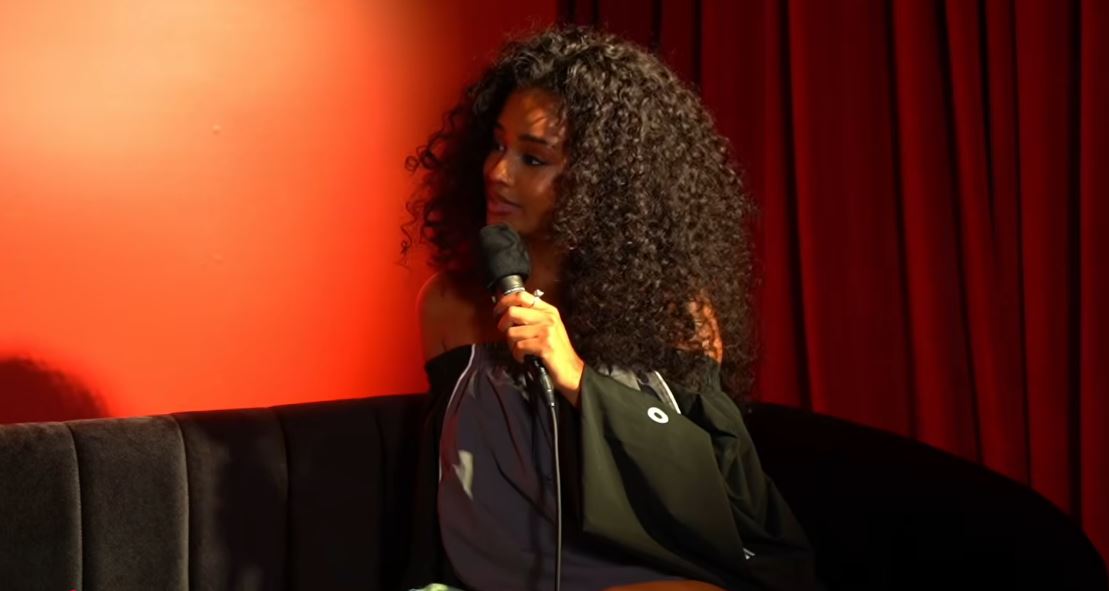
Nobody at FAX Records, the small South African label that signed Tyla in 2018, was thinking about a bidding war when they uploaded the music video for “Getting Late.” The clip was filmed cheaply, Tyla half-expecting it to flop, telling fans on Instagram that even if it only earned 270 views she’d still be happy with it. That kind of quiet resignation is easy to overlook now, knowing how things turned out.
The video didn’t flop. It crept past nine million views on YouTube, picked up a music video of the year nomination at the South African Music Awards, and slowly, almost stubbornly, kept climbing. There’s something very of-the-internet about that pattern — not an overnight explosion, but a slow burn that eventually becomes impossible to ignore. By the time Brandon Hixon, Tyla’s manager at FAX, sent the clip over to Epic Records executives in the U.S., the song had already done most of the convincing on its own.
What happened next is the part that still sounds slightly absurd. Epic chief Sylvia Rhone reportedly put up billboards around Johannesburg with Tyla’s face on them and the message “Epic Records, love Sylvia Rhone,” apparently the only way to get the attention of a teenager whose travel was restricted by the pandemic. It’s hard not to find that detail a little funny — a major American label resorting to literal street advertising in a city it had barely engaged with before, just to win over one artist. That billboard campaign came out of a genuine bidding war among record labels chasing the rights to sign her, one that Epic eventually won.
It’s worth pausing on why this counts as “accidental.” Tyla wasn’t shopping herself around Hollywood. She was a teenager from Johannesburg posting music videos, working with a local label that, by its own admission, was mainly hoping to build something within Africa first. Her manager Colin Gayle later said the goal at that point was simply breaking Tyla within the continent, since African music wasn’t yet recognizable to the outside world. The bidding war wasn’t the plan. It was the byproduct of a song traveling further than anyone on her small team expected.
There’s a financial footnote to all this that South African fans still bring up. Sony reportedly paid around two million dollars to buy Tyla out of her existing South African record deal so she could move to Epic in the U.S., a move that left some South Africans uneasy, wondering whether she’d just signed away too much, too fast. Looking back, that anxiety feels a bit dated — Tyla went on to negotiate creative control rather than chase the biggest possible advance, which isn’t usually how these stories go. It’s the kind of decision that looks shrewd in hindsight, even if it wasn’t universally praised at the time.
What followed is reasonably well documented: “Getting Late” gave way to “Water,” which climbed the Billboard Hot 100, and Tyla became the first solo South African act on that chart since Hugh Masekela in 1968 — a comparison that still seems to surprise people when they hear it. A Grammy for Best African Music Performance came not long after.
None of that changes the oddity at the center of this story. A bidding war involving a major American label, a billboard campaign in Johannesburg, and a multimillion-dollar contract buyout all trace back to a low-budget music video that almost didn’t get made. It’s a reminder that the South African music industry, often treated as a feeder market rather than a destination, briefly became the place where international labels were competing hardest. Whether that pattern repeats for the next viral South African artist, or whether Tyla’s case stays the exception, is still an open question worth watching.
