

There’s a particular kind of pop song that sneaks up on you. Not the kind that announces itself with a drop or a hook engineered to stick in your head for seventy-two hours, but the kind that sits quietly in your chest long after the playlist has moved on. Robyn’s “Call Your Girlfriend,” released in April 2011 as the second single from her landmark album Body Talk, is exactly that kind of song.
What makes it unusual — genuinely unusual, not in the press-release sense — is what the narrator is actually asking for. Robyn plays a woman who has fallen for someone still in a relationship. And instead of ignoring that fact or spinning it into something convenient, she leans into it. She tells her new partner to call the girlfriend. To let her down easy. To not make her feel like it was her fault. It’s a strange kind of grace coming from someone who is, technically, the reason the other relationship is ending.
Critics noticed immediately. Pitchfork’s Scott Plagenhoef called it one of the most adult, thoughtful pop breakups in recent memory, and that description has only aged better. There’s a sense that most love songs, even the good ones, don’t bother thinking about the third person in the room. Robyn does. She thinks about her quite a lot. Whether that comes from guilt, genuine empathy, or some mixture of both is the interesting question the song never quite answers — and probably shouldn’t.
The production matches the emotional complexity. Klas Åhlund built something that sits somewhere between an electropop banger and a slow-burn ballad, the synths carrying both the ache and the excitement at once. Because the song isn’t only about being considerate. There’s a second verse where the warmth and decency of the first verse quietly dissolves into something more charged, more honest about what’s actually driving all this. She’s in love. She wants this person. The consideration is real, but so is the wanting.
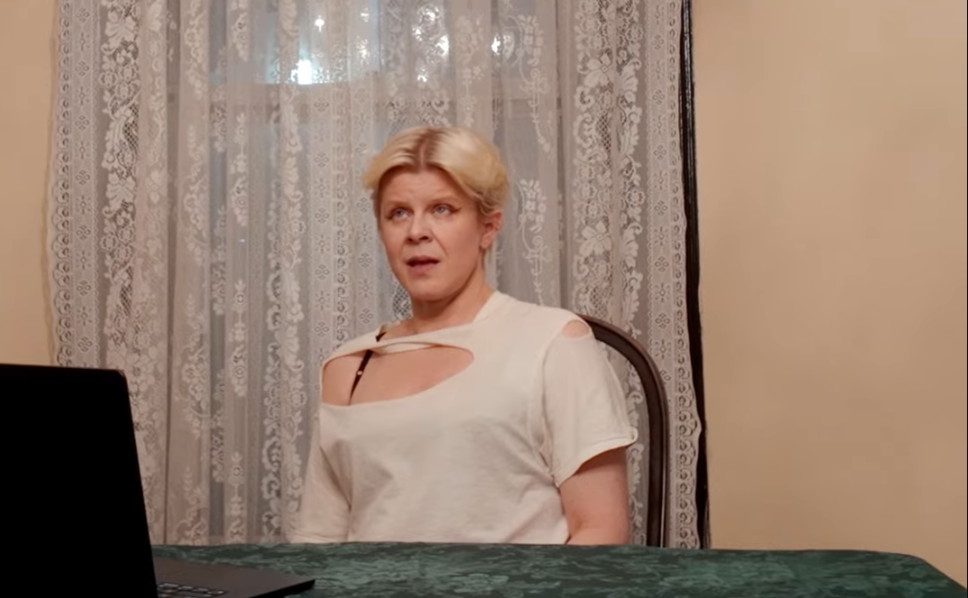
The music video, directed by Max Vitali and reportedly shot in a single unbroken take, strips everything back to one woman, one warehouse, one lighting rig. Robyn dances alone for the entire duration — arms swinging, body lurching, fully committed and completely exposed. It’s not polished choreography. It’s something messier and more convincing. Billboard’s Jon Blistein called it nearly impossible to look away from, and that feels right. There’s a quality to it that’s hard to name — something between performance and confession.
The song performed strongly on the charts, reaching number one on the Billboard Hot Dance Club Songs, the highest position Robyn had ever held on that chart. It received a Grammy nomination for Best Dance Recording at the 2012 ceremony. It was covered, parodied, performed a cappella with butter tubs, and recreated in a tiny office by Saturday Night Live’s Taran Killam with such infectious enthusiasm that the clip itself became a kind of tribute to how the song makes people feel.
What’s still striking, sitting with the song now, is how it manages to be euphoric without being selfish. That’s a harder thing to pull off than it sounds. Most pop songs about new love don’t make room for the person being left behind. This one does, and somehow that acknowledgment — that someone else is quietly hurting while all of this joy is happening — makes the joy feel more real, not less.
It’s still unclear whether Robyn fully intended the song to land the way it did, as something almost philosophical about how love works when it’s inconvenient and overlapping and messy in the way real life tends to be. But it did land that way. And more than a decade later, it hasn’t let go.
