

Early in the morning, before the lough mist burns off and the cranes begin to move, there is a certain kind of silence over Belfast Harbour. More than a century ago, men who were proud of their accuracy riveted the Titanic together on this same stretch of water. Walk a few hundred yards from that old slipway today, though, and you’ll find something stranger: a 75,000-square-foot building filled with LED walls tall enough to swallow a mountain range, where a director can summon a Moroccan sunset or a sinking ocean liner without ever leaving Northern Ireland.
Depending on who you ask, Studio Ulster is either the biggest development for Belfast’s film industry since Game of Thrones or just the next logical step for a city that has been quietly establishing a reputation in the film industry for years. It’s most likely both. Despite being the result of a collaboration between Ulster University, Belfast Harbour, and Northern Ireland Screen, the facility operates independently of any one studio or broadcaster, and it appears that this independence is precisely the goal. It can benefit anyone, from Netflix to a struggling independent filmmaker with a strong pitch, because it is not dependent on any one production company.
Even though the numbers are difficult to ignore, scale isn’t what really sets it apart. It sounds complicated until you see what it actually does, but it combines motion tracking, volumetric capture, in-camera visual effects, and real-time engines under one roof. Instead of filming an actor against a green screen and adding the background months later in post-production, the environment is rendered live, in real time, on the walls around them. What the audience will ultimately see is seen by the actor. There’s something almost theatrical about it, watching a crew shoot twelve straight hours of “magic hour” lighting indoors, on demand, regardless of what the actual sky is doing outside.
It’s hard not to notice how much this echoes the shipyard mentality Belfast has always had — building enormous, complicated things and getting them precisely right. Studio Ulster’s own leadership has leaned into that comparison more than once, and it’s not just marketing spin. The £72 million project, partly funded through the Belfast Region City Deal, was built on the same stretch of harbour where engineering ambition has always outpaced the city’s size.
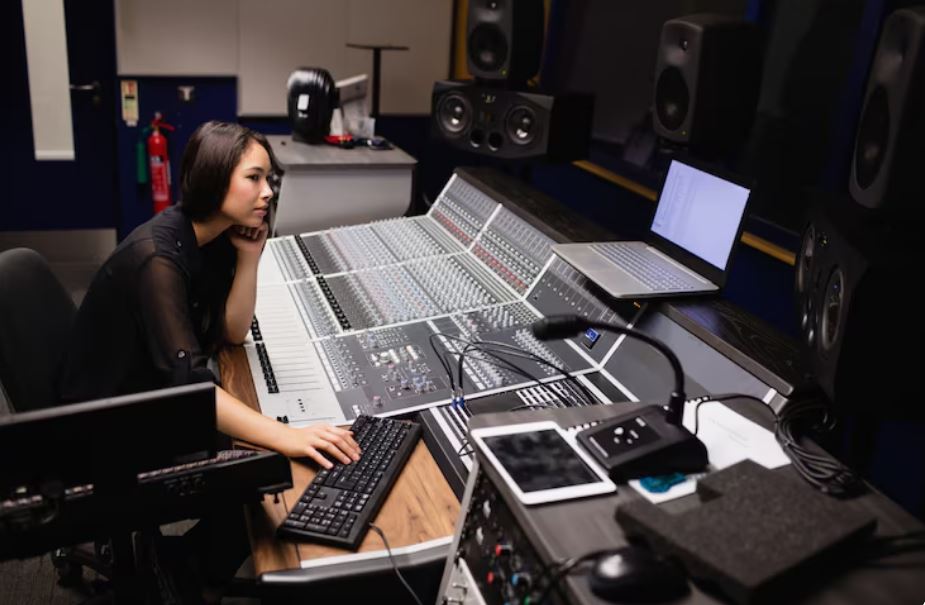
The more difficult question, which is likely to remain unanswered for a few more years, is whether this truly “revolutionizes” special effects worldwide. The Mandalorian made LED-volume filming popular years ago, and ABBA Voyage demonstrated that the same technology works for live concerts, so virtual production is nothing new. Belfast appears to be betting on depth rather than novelty: a facility big and adaptable enough to accommodate animation, gaming, blockbuster movies, and high-end television under one roof, with research labs attached to keep improving technology rather than allowing it to stagnate.
Speaking with those involved in the project, it seems that Belfast is attempting to establish itself as a true technical leader in its own right rather than as a less expensive substitute for Hollywood or Pinewood. Northern Ireland was already a preferred location for shows like How to Train Your Dragon and The School for Good and Evil prior to the establishment of this studio. The case for staying is now even more compelling.
How many production companies will actually move their operations as a result of this, as opposed to just renting the space for a few weeks, is still unknown. However, it’s easy to think Belfast has earned its place in this discussion when you’re inside a structure that can convincingly mimic an iceberg, a jungle, or a medieval battlefield—shipyard instincts applied to a very different kind of building.
