

In an age where fashion cycles spin faster than ever, one garment remains untouched by time: the thobe for men. This traditional robe, long associated with cultural identity and refined modesty, is finding new resonance among those who seek durability, natural fabrics, and quiet elegance. In a world drowning in synthetic fibres and disposable trends, the thobe stands apart — a sustainable choice rooted in craftsmanship, minimalism, and meaning.
The Thobe’s Enduring Simplicity
The thobe has always embodied principles that modern sustainability movements now champion: simplicity, longevity, and respect for material. Worn for centuries across the Arabian Peninsula, North Africa, and South Asia, it was designed to serve both climate and culture. Its one-piece design eliminates excess cutting waste, while its straight seams and minimal embellishment reduce the need for complex production processes.
Unlike most Western wardrobes — built around multiple garments layered to create structure — the thobe achieves elegance in a single, efficient form. Its relaxed silhouette allows for air circulation in hot climates, while its long lines provide modesty and refinement. In essence, the thobe represents what sustainable design strives for: less waste, more purpose.
Natural Materials: Cotton, Linen, and Wool
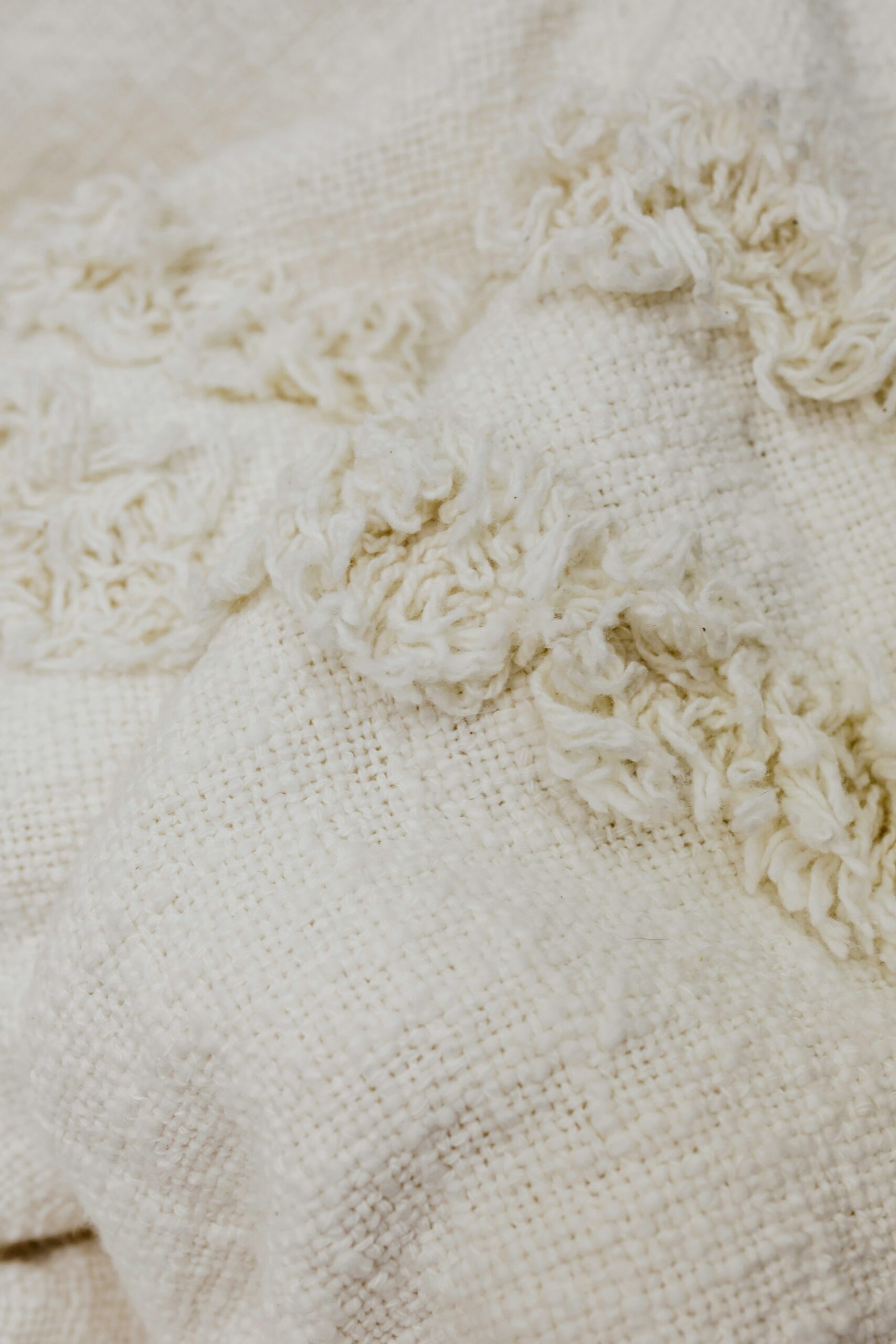
One of the thobe’s most sustainable traits lies in its choice of materials. Traditionally, artisans have relied on natural fibres — cotton for its softness, linen for breathability, and wool for warmth and durability. These fabrics biodegrade naturally, age gracefully, and require minimal chemical processing compared to synthetics.
Cotton thobes are the everyday standard — light, comfortable, and easy to care for. Premium Egyptian cotton, prized for its long fibres, adds strength and sheen while maintaining airflow. Linen thobes have gained modern popularity for their cooling properties, making them ideal for travel and summer wear. The subtle wrinkles of linen even contribute to their charm, reflecting the natural imperfections celebrated in slow fashion.
In cooler climates or during winter months, wool thobes — often crafted from merino or blended with silk — offer warmth without bulk. Wool’s natural elasticity helps the garment retain shape, reducing the need for frequent replacements. These natural fibres also require less washing and release fewer microplastics into the environment, unlike polyester or nylon blends commonly found in fast fashion.
By relying on renewable materials, the thobe’s design philosophy aligns seamlessly with the growing demand for eco-friendly apparel. It is a garment built not to dominate nature, but to coexist with it.
Durability and Minimalism: A Counterpoint to Fast Fashion
Fast fashion thrives on novelty — the endless churn of styles, colours, and cuts designed for temporary pleasure. The thobe moves in the opposite direction. Its shape has remained virtually unchanged for generations, proof that true design does not need reinvention to remain relevant.
A well-made thobe can last for years, sometimes decades. Its neutral palette — whites, creams, greys, and soft earth tones — resists the visual fatigue that plagues more trend-driven wardrobes. Because thobes are often tailored to precise measurements, they are treated with greater care, repaired when necessary, and passed down within families. This cultural habit of maintenance and longevity sits at the heart of sustainable fashion.
Compared to Western suits, the thobe requires fewer resources to produce. A single piece of fabric becomes a complete outfit, eliminating the environmental costs of jackets, trousers, and lining materials. And unlike synthetic suiting, a thobe’s natural fibres breathe, insulate, and endure — reducing both energy use and wardrobe turnover.
Minimalism is not a design trend in the thobe; it is a philosophy. The garment embodies restraint and purpose, proving that true elegance requires neither abundance nor excess. In a global fashion landscape obsessed with more, the thobe is a reminder that less can indeed be luxurious.
Emerging Sustainable Brands and Modern Thobes
In recent years, a new generation of designers has begun merging traditional thobe craftsmanship with eco-conscious innovation. These creators are sourcing organic cotton, plant-dyed fabrics, and ethically woven textiles to redefine what luxury means in menswear.
Brands across the Gulf and beyond are adopting transparent supply chains, ensuring fair wages for tailors and artisans. Some use GOTS-certified cotton and OEKO-TEX fabrics, guaranteeing the absence of harmful chemicals. Others experiment with bamboo viscose and recycled wool, blending heritage with innovation.
A growing number of modern thobes also incorporate modular design — detachable collars, hidden pockets, and smart textiles that regulate temperature — ensuring practicality without compromising sustainability. In boutique ateliers from Dubai to London, eco-conscious customers can now order custom thobes made from organic or upcycled fabrics, often tailored by hand.
Luxury, in this context, becomes redefined: not as opulence, but as longevity, ethics, and artistry. Each thobe tells a story of mindful consumption — a garment designed to be worn, repaired, and cherished, not discarded.
The Thobe for Men and the Future of Fashion
As sustainability becomes the defining issue of the fashion industry, the thobe for men offers a living example of how culture and conscience can coexist. Its timeless silhouette rejects the idea of obsolescence; its reliance on natural materials minimises environmental impact; and its emphasis on durability aligns with the ethos of slow fashion.
The global shift toward mindful dressing — choosing fewer, better garments — finds perfect expression in the thobe. It represents a blueprint for the future of menswear: design that respects both tradition and the planet.
For the modern man, choosing a thobe is more than a cultural statement; it is an ethical one. It means valuing craftsmanship over convenience, meaning over mass production, and comfort that doesn’t come at the planet’s expense.
A Timeless Lesson in Sustainability
The world of fashion is finally catching up to what the thobe has always known: simplicity is the ultimate sophistication. Crafted from the earth’s natural fibres, tailored for longevity, and worn with quiet confidence, the thobe stands as a testament to balance — between culture and innovation, humanity and environment.
In the movement toward sustainable menswear, few garments are as relevant or enduring. The thobe does not just represent the past; it embodies the principles that the future of fashion urgently needs to remember.
