

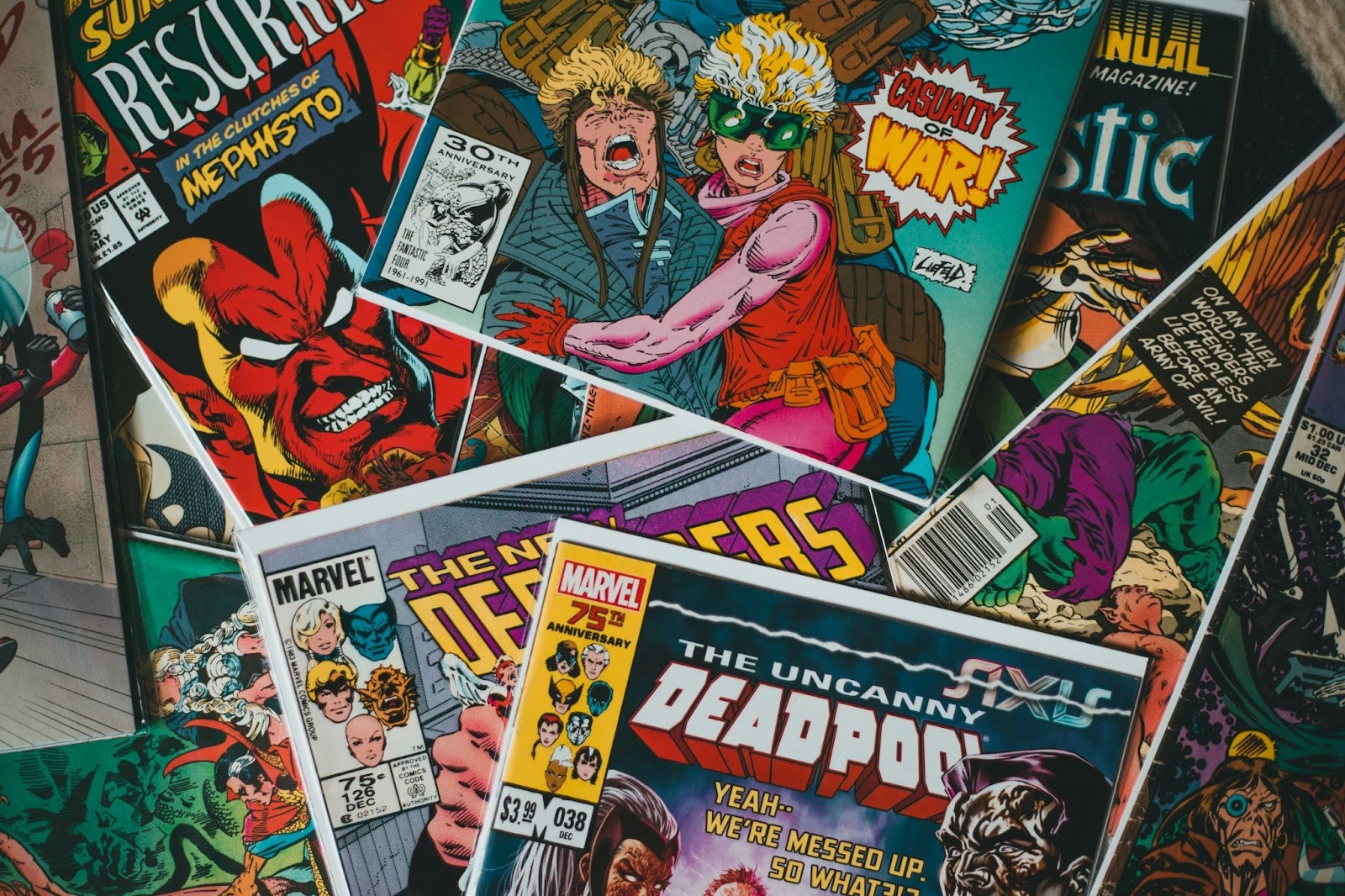
Hand-drawn comics continue to shape creative spaces across the UK even as fintech companies transform how people work, spend and communicate. These handmade pages sit in contrast to a world driven by speed. Artists rely on patience while much of modern life runs through instant payments, biometric verification and real-time financial tools. This contrast raises an interesting question. What does slow art mean in an age where money moves faster than ever. The answer lies in how people respond to both worlds. They reach for efficiency when they need it and for craft when they want meaning.
When Fintech Reshapes Every Corner of Daily Life
Fintech development has touched almost every part of society. Banking has moved from queues and paper forms to apps that offer instant transfers. Retail payments shifted to contactless cards and digital wallets. Insurance, lending, pension management and investing all evolved into phone-based services. These changes accelerated during recent years as companies pushed for simpler transactions and smoother user experiences.
Large players in the payments sector created systems that can move funds across borders in seconds. Trading platforms allow people to buy shares with a tap. AI-powered financial tools now predict spending habits, plan budgets and monitor savings goals. The scale of transformation is clear. Industries that once relied on physical presence now rely on screens.
Entertainment followed the same pattern. Streaming reshaped film and music. News moved behind subscriptions and paywalls. Even physical leisure activities shifted into digital form. Even casinos became a part of this shift. Many players now use modern options like non GamStop casinos for gaming access without national restrictions. These sites offer fast registration, broad payment options, and simple account control. They changed habits by giving customers convenience and variety that physical casinos could not match.
Such developments highlight how fully digitisation has reshaped society. Yet, despite all the changes seen in these industries, hand-drawn comics continue to stand firm. Even now, in the world of AI that can generate professional images in seconds, their place in culture grows more meaningful, precisely because the world around them moves so quickly.
Craft That Depends on Touch, Patience, and Rhythm
Hand-drawn comics rely on a slower pace. Lines must be placed one by one. Shadows are built by repeated strokes. Artists sit with a sheet of paper and make choices that cannot be undone. A page grows through patience. Small imperfections appear as the hand adjusts or the ink settles. These details give the work a human presence.
Readers value this presence because it feels honest. The marks show effort. They show mood. They show the physical connection between artist and page. Digital tools can replicate certain textures yet rarely match the organic quality of lines drawn with traditional materials. A rough pencil edge or a slight variation in pressure can add emotion to a panel without a single word.
This rhythm of creation gives hand-drawn comics a sense of calm and beauty that has spawned legend status for the best comic book artists. These kinds of classical comic artists engage with the story at a natural pace rather than rushing to meet digital production cycles. The reader then experiences that pace through the artwork. Each panel breathes. Each page carries the weight of time spent crafting it.
Materials That Shape the Voice of the Work
Paper type matters. Some artists choose smooth sheets to create clean, sharp edges. Others prefer textured paper that offers drag and friction. These choices produce very different artistic voices. Ink behaves differently depending on the surface. Brush pens leave expressive marks. Fineliners create steady outlines. Charcoal stains fingers and leaves soft gradients.
This relationship between artist and material shapes the tone of each comic. Readers sense it even if they cannot identify the exact tools used. The physicality becomes part of the story. Turning the pages adds to the experience. Sound, smell and texture play small roles that deepen the connection.
Studios and workspaces also influence the creative process. Artists may draw at kitchen tables, small desks or shared creative rooms. These environments feed into their work. They carry memories, habits and routines that affect the art. These factors create layers that digital workflows rarely capture.
Slow Art in a Culture Driven by Speed
Fintech companies pride themselves on speed. Payments must be instant and decisions must be automated. Customers expect convenience with no delay. This mindset has shaped how society engages with information and entertainment. The result has already seen many regions clamouring to build entire financial ecosystems around it.
Hand-drawn comics offer something different. They invite readers to slow down. Pages cannot evolve dynamically like digital feeds. They require attention and encourage reflection. A person cannot skim a hand-drawn page without losing the feeling it carries. They must take time to absorb details.
This difference becomes a strength. Readers who feel fatigued by rapid digital consumption often turn to printed comics as a reset. They appreciate stories told through deliberate craft rather than algorithmic optimisation. The more digitisation grows, the more value people place on experiences that resist it.
Independent creators and small publishers see this shift clearly. Many focus on limited print runs or small press collections. These books attract readers who want something physical to hold. They enjoy the sense of ownership that comes with printed work. They value scarcity, texture and presence.
Why Hand-Drawn Comics Continue to Matter
Hand-drawn comics survive because they speak to something universal. They show the value of slow work. They show care. They show humanity. In a world shaped by instant payments, smart contracts and real time financial tracking, people still seek meaning in craft.
Artists who choose to draw by hand understand that the process itself has purpose. They want to feel the pen move across the page. They want the mistakes. They want the physical trace of creation. Readers recognise that intention. They respond with loyalty and appreciation.
Hand-drawn comics remind people that technology does not replace every form of expression. Some things gain value precisely because they resist automation. They belong to a tradition that thrives on touch and time. As fintech continues to grow, these comics offer balance. They show that progress and craft can exist side by side.
Conclusion
The rise of fintech has reshaped society through speed, access and innovation. Many industries now rely on digital systems, yet the appeal of slow, hand-crafted art remains strong. Hand-drawn comics bring calm and depth to a world built on rapid movement. They remind readers that creativity still thrives through patience and touch. Their quiet strength endures because they offer something digital tools cannot imitate. The craft continues to matter, even in a culture led by fast money and fast decisions.
