

The same thing happens every year when the BBC releases its annual report. Journalists read through the papers, tabloids make their lists, and people react to the numbers next to well-known faces, sometimes with admiration and sometimes with real anger. It wasn’t any different for 2024–25. Gary Lineker has more than £1.35 million, which puts him at the top. It’s still over half a million for Zoe Ball, who is leaving in the middle of the year. Alan Shearer slowly moving up. As always, the numbers told the story. But the list doesn’t show all of the names, and that’s almost as telling as the names that do show up.
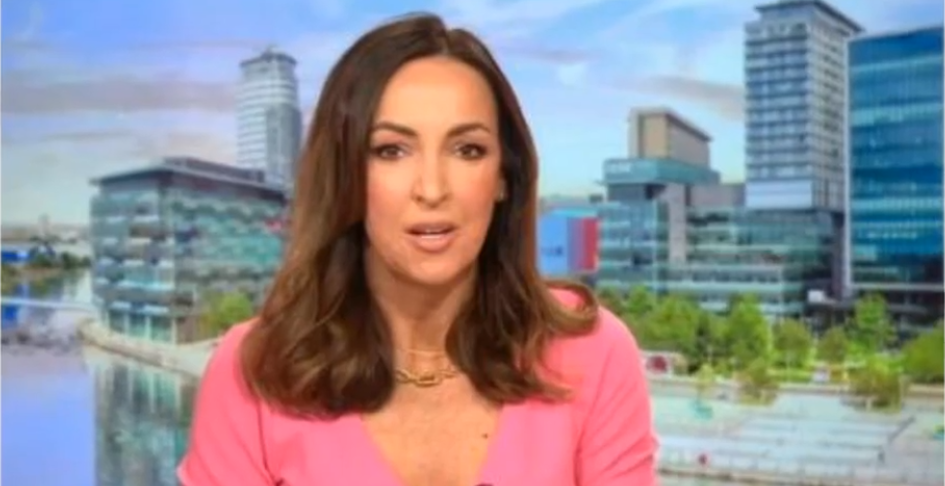
Millions of people wake up to see Sally Nugent every morning as part of the BBC Breakfast present team, but her name is not on the salary disclosure that was made public. That’s not because she doesn’t make any money — she does. This is because the BBC is only required by law to reveal salaries above £178,000, and even then, only for employees who are paid directly by the corporation and not by BBC Studios, its business arm. This hole in the data is a known problem with how the BBC handles its payments, and it means that a lot of well-known hosts are missed.
Take a moment to think about that. Since 2021, Sally Nugent has co-hosted BBC Breakfast with Jon Kay five days a week. It is one of the most-watched morning shows in the country. A big salary is usually attached to that kind of regular, well-known presence. People in the business have guessed that she makes between £200,000 and £250,000 a year, but the BBC has never confirmed a number, and Nugent has never talked about her pay in public.
As a comparison, Naga Munchetty, who hosts both BBC Breakfast and a Radio 5 Live show, made between £355,001 and £359,999 in 2024–25, a number that went up every year. Nugent is not on the list that was made public, but Munchetty is. It’s not entirely clear whether that gap is due to a real difference in pay structure, total earnings, or just the BBC’s contractual terms. It’s possible that the two are very different. Also, they might not be as far apart as the lack of a public number would suggest.
All of this is part of a bigger conversation about the BBC’s transparency and pay gaps between men and women, which the company has been having for years, though not always with grace. The 2017 news that caused a public debate about equal pay isn’t as big news anymore, but the tension that was there before hasn’t gone away completely. It’s not always clear to people outside the organization why some presenters are on the published list and others aren’t.
This is what makes sense to say: Over more than twenty years, Sally Nugent has built a stable and well-known career at the BBC, first as a sports presenter and then as a Breakfast host. She is not a showy person. She doesn’t try to cause trouble. She shows up to work and does a good job. It’s clear that BBC commissioners trust her to be in one of the most visible positions at the broadcaster. People value that level of dependability, even if it’s not written down in an annual report.
