

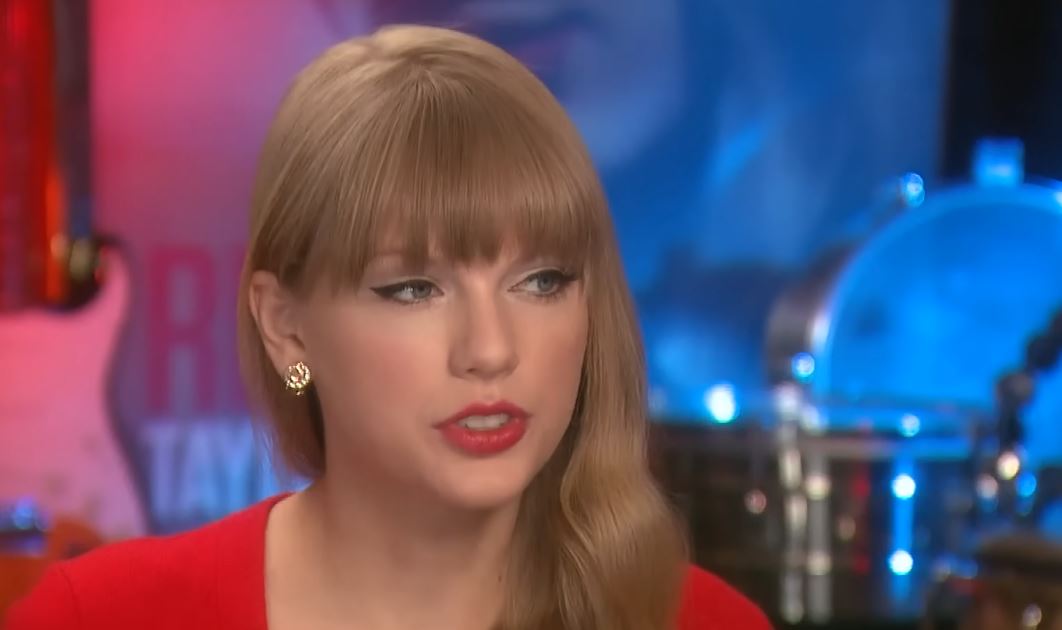
The world responded to Taylor Swift and Travis Kelce’s July 3, 2026, wedding at Madison Square Garden loudly, as it always does when these two do anything. a wedding that reportedly cost $30 million. a space that can accommodate tens of thousands of people. A rumored 40-page prenuptial agreement that has since become the most scrutinized legal document in popular culture was also included in the fine print of all that festivities.
Like most things these days, it began with a post. A figure was released the day following the wedding: $20 million for each infidelity infraction. Whether or not that number is accurate, it quickly gained traction. The rumors had already taken on a life of their own by the time reputable publications and divorce lawyers started offering their opinions.
Even without embellishment, the financial picture is impressive. Swift is firmly on the Forbes Billionaires List, with an estimated net worth of close to $2 billion. With notable media endeavors under his belt, Kelce is among the highest-paid tight ends in NFL history, earning between $70 million and $90 million. That represents a difference of about $1.9 billion between two individuals who have recently committed to living together. A competent lawyer would have noticed that right away.
In an interview with the Daily Mail, Manhattan divorce lawyer Jacqueline Newman stated that the financial aspects of a prenuptial agreement in this case would probably be straightforward in theory, if not in practice. What is his remains his. She keeps what is hers. Each of them keeps their investment plus appreciation if they purchase a property together. Swift would continue to be solely responsible for her own creative output. Considering the stakes, that part seems almost certain.
A possible confidentiality clause is more intriguing but less certain. In the event that the marriage ends, Newman suggested that the agreement’s language might restrict Swift’s ability to compose or perform songs that specifically mention Kelce. For an artist whose whole body of work is based on emotional autobiography, that is a big deal. Her most well-known pieces—”Dear John,” “So Long, London,” and “Getaway Car”—have consistently been inspired by her personal experiences.
For her as a creative force, even a partial legal restriction on that instinct would be something truly novel. While acknowledging that the clause is feasible, Florida prenuptial lawyer Brian Karpf pointed out that enforcing it is a completely different story. “Hard to police,” he said, which is arguably the most accurate description of how these things typically work in real life.
However, the celebrity cacophony obscures a larger narrative. Billionaires defending dynasties are no longer the only ones who use prenuptial agreements. 43% of engaged or married Americans under 45 reported signing prenuptial agreements, a significant increase from 2022 data, according to a Harris Poll survey done for Bloomberg. Swift and Kelce are members of the millennial generation, which is driving that growth more quickly than any other demographic. These agreements are being used by couples with student loans, small business stakes, or just a first home to discuss money before a disagreement arises. A generation’s perspective on commitment is quietly changing.
More than anything, Swift and Kelce’s circumstance makes that discussion visible on a large scale. Although there is a huge wealth disparity between them, the underlying reasoning is not. The question of who owns what doesn’t go away simply because you’re in love when two people with different financial identities and careers decide to combine their lives. It simply doesn’t ask until it is no longer able to.
The public’s response to this prenuptial agreement seems to reveal something about how people still view marriage. Some see the agreement as transactional, cold, and a silent safeguard against a future that no one wants to acknowledge they are envisioning. Others perceive it as the opposite—two adults choosing dialogue over default and clarity over presumption. The lawyers who have offered their opinions appear to favor the latter. Newman’s framing—doing nothing is still a choice—was remarkably detached. It simply indicates that the state drafted your contract.
The discussion it has sparked feels worthwhile, regardless of what the fine print actually says (keep in mind that none of it has been made public). Throughout her career, Taylor Swift has written her own narrative. It makes sense that she would want to write this section as well.
