

After years of being followed, a certain kind of fatigue sets in. The deep, grinding exhaustion of never feeling like your movements are your own is not the typical kind, such as the weariness that results from a lengthy shoot or press tour. That sentiment has subtly turned into the deciding factor for an increasing number of American celebrities when it comes to where they choose to reside. And more and more, London is the solution.
Although most people are unaware of how important paparazzi laws are, they are not the only issue. It’s about a more general culture of restraint in British media, which has no clear legal definition but is clearly present when you’re the target of it.
The legal framework pertaining to privacy in the United States is disjointed and, practically speaking, quite thin. California’s definition of reasonableness differs from New York’s. One New York first amendment lawyer put it simply: “If you’re on the street in America, you’re on the street.” The legal discussion essentially ends there: public figure, public place. The safeguards that are in place concentrate on procedures rather than results. Technically, you can’t trespass. A drone cannot be used on someone’s private property. However, photographers are generally free to pursue their interests outside of those specific exceptions.
Even though enforcement is still genuinely challenging, the UK operates with a different sensibility. There was a noticeable change in how British media outlets handled celebrity photography following the Leveson Inquiry, which revealed phone hacking and a decades-long culture of hostile press behavior. The revolution was not tidy. Police can do very little when 50 or 60 paparazzi show up at a location, according to a photographer who spoke with the BBC at the time.
However, something shifted. No statute fully captures the pressure exerted by informal agreements, editorial discretion, and the reputational cost of being perceived as overreaching.
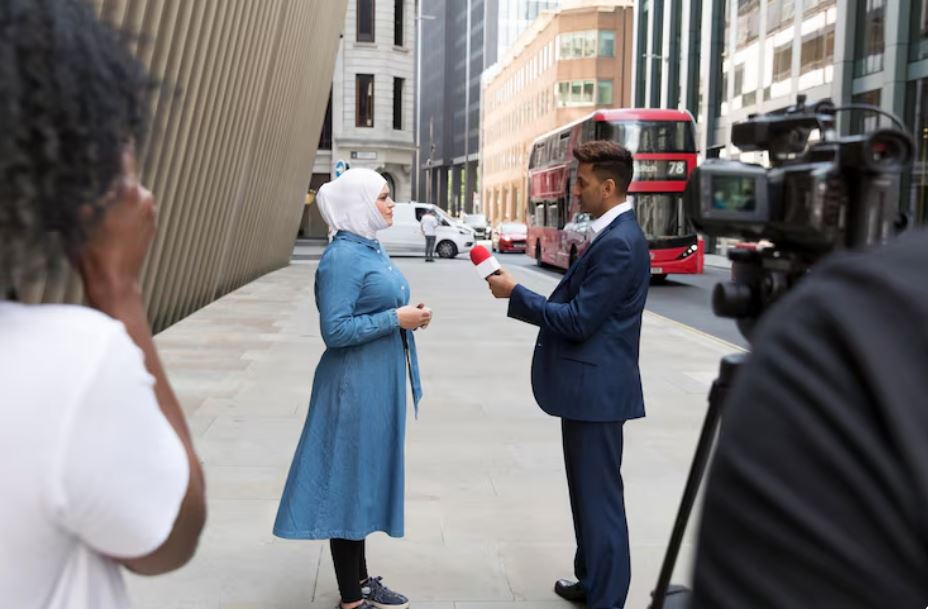
Because of Harry and Meghan’s experiences, it was impossible to overlook this difference. Their 2023 encounter with photographers in New York, which their spokesperson described as an almost disastrous car chase, highlighted how different the American experience can be for someone accustomed to British customs. They had already filed lawsuits in California, claiming that pictures of their son taken outside of school violated their right to privacy. In general, American courts did not view it that way. The distinction is important because, according to US law, walking a child to school on a public sidewalk is not considered a private act. There is at least a claim that it might be in the UK.
It’s also important to consider the immigration aspect. In order to give Emmy, BAFTA, Oscar, and Golden Globe winners a way to work and eventually settle without the typical immigration obstacles, the UK government established a Tier 1 category as early as 2019. London’s professional appeal has always been significant. In the past, appearing on the West End has given one credibility that Hollywood doesn’t always grant. Many American actors are genuinely drawn to the city because of its rich production ecosystem, skilled crews, and serious approach to theatrical work.
All of this does not imply that London is a haven in the traditional sense. Of course, there are paparazzi there as well. The industry mainly opposed statutory regulation and instead released its own guidelines, leaving many questions unanswered by the Leveson reforms. The situation is still a little unclear and imperfect. However, there is a distinction between imperfect and what is found in areas such as midtown Manhattan, where the legal culture effectively encourages the kind of pursuit that causes celebrities to plan their routes and count exits before leaving their apartments.
This wave of relocations may be driven as much by cultural factors as by legal ones. Despite its tabloid culture, Britain has created something akin to a tacit agreement around the famous: the idea that crossing certain lines will reflect poorly on the outlet rather than result in a coup. Not everyone is equally protected by this unwritten rule, and once a story gets big enough, it can quickly disappear. However, that self-control, however brittle, can seem amazing to an American celebrity accustomed to being photographed every time they stroll to a coffee shop. And for a sizable portion of them, it seems like a good enough reason to stay right now.
