

There’s a particular kind of exhaustion that comes with sustained public life. Not the physical tiredness of long hours — something quieter and harder to name. It’s the kind that makes a person scan property listings in places no paparazzo would think to check. And lately, more than a few of those searches seem to end in County Clare.
Ireland’s west coast has always had a pull on people with something to escape. The landscape does that. Limestone plateaus dropping into Atlantic surf, small villages where strangers still nod at each other, and stone structures that have outlasted every empire that tried to claim them. County Clare sits at the edge of all of it — and somewhere in the last several years, word got out among a certain crowd that the castles there were not just romantic, but actually available.
The market is real. Restored tower houses, partially ruined keeps, full estate properties with castellated facades — they appear on Irish property sites at price points that would barely cover a two-bedroom apartment in West Hollywood. Some need serious work. Others are move-in ready by any reasonable standard, if your idea of reasonable includes stone stairwells and windows that look out over nothing but Atlantic grey. For people exhausted by visibility, that view is apparently part of the appeal.
Jeremy Irons set a kind of template for this when he spent six years restoring Kilcoe Castle in County Cork back in the late 1990s. He brought in local craftsmen, lived through the mess of it, and ended up with something that felt genuinely earned rather than purchased. The story circulated quietly in the right circles. Actor buys crumbling Irish castle, rebuilds it by hand, disappears contentedly. There’s a sense that story has been retold in private conversations more often than anyone admits.
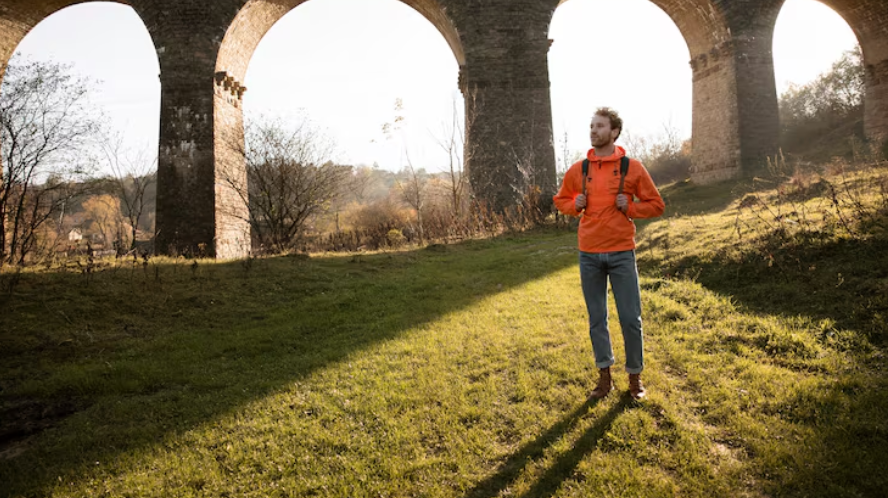
County Clare specifically draws people for reasons that go slightly beyond scenery. The Burren stretches across its northern interior — a lunar-looking expanse of exposed limestone that feels, on overcast days, like the world’s edge. The Cliffs of Moher draw tourists to the coast, but a few miles inland, the roads narrow and the tourist infrastructure thins out completely. Small farms, small pubs, communities that have their own rhythm and aren’t particularly interested in accommodating celebrity schedules. For some exhausted famous people, that social indifference is the actual selling point.
Buying a castle, of course, is not a simple transaction. Dorothy Newlands of Lauriston, who chairs the Scottish Castles Association, has noted that even seemingly straightforward purchases hide complications — access roads that don’t exist, restoration costs that multiply on contact with reality, conservation requirements that take precedence over personal plans. Ireland carries its own version of these complications. Many of the most appealing properties fall under heritage protection, and local planning authorities don’t always move at the pace that wealthy, impatient buyers are used to.
Still, people keep buying. There’s something stubborn about the appeal. Maybe it’s the idea of owning something that has already survived so much — that needs you less than you need it. A castle in Clare doesn’t care who you are. It was there before the fame and will outlast it. For someone worn thin by public life, that indifference feels less like coldness and more like relief.
It’s worth noting that this trend is less about luxury tourism and more about genuine withdrawal. The people drawn to these properties increasingly seem to want the opposite of an Architectural Digest moment. They want somewhere wet, old, and difficult — somewhere that demands attention and gives back silence.
Whether County Clare can absorb that kind of interest without becoming the next aspirational destination is a fair question. It’s still unclear whether the influx of outside money helps or quietly reshapes the communities that make the place worth coming to in the first place. That tension doesn’t resolve easily. It rarely does.
