

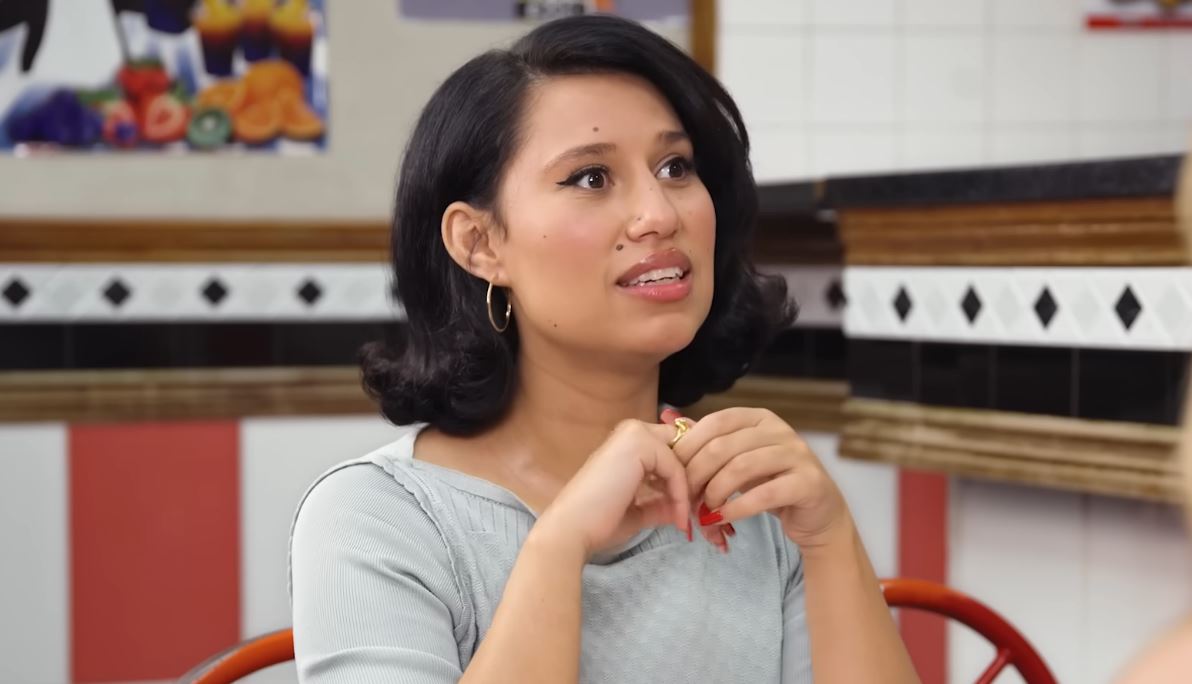
Raye’s story is one of those in the music business that seem too good to be true. At the age of 19, a songwriter signed a four-album contract and sat on songs that no one would allow her to release. After a heartfelt video, she leaves. Two years later, she is holding six trophies—more than any artist has ever won in a single night—as she stands on the BRIT Awards stage. A screenwriter would reject such an arc as implausible.
It’s not just the conclusion that makes it intriguing. The majority of coverage ignores the arduous, protracted middle. Raye wrote for Beyoncé, Little Mix, and Charli XCX for years while her own debut at Polydor remained unreleased. On request, she changed genres. According to her own account, she worked seven days a week in an effort to appease executives who were constantly changing the goal. It’s not a dramatic montage. That is simply attrition, the gradual kind that wears an artist down without anyone noticing.
It’s worth acknowledging that the 2021 tweet that put an end to the situation wasn’t planned. She claims that her decision to post it was driven more by a desperate need to be heard than by any planning. Polydor made a sympathetic, even gentle, public statement. She has stated in private that the advice was to cut off contact with journalists. That contrast has an almost commonplace quality; the label’s two faces aren’t evil, but rather bureaucratic, which is how big businesses typically act when a problem is made public.
After being set free, Raye kept “Escapism,” a song that her previous label apparently never liked, and put it out on her own. It effectively funded the remainder of her comeback after going viral on TikTok and rising to number one. There’s a minor irony here: the song that labels thought was disposable turned out to be the one that disproved them. It’s difficult not to wonder how many other shelved songs were waiting for an artist with the courage to walk in similar folders at different labels.
Early in 2023, she released her debut album, “My 21st Century Blues,” which skillfully blended jazz, gospel, hip-hop, and dance. It addressed issues of body image, addiction, and assault in ways that seemed purposefully unpolished. According to most accounts, major labels wanted her catalog redesigned to be more efficient. Before the BRITs arrived, she declined, and the album sold consistently enough to be nominated for a Mercury Prize.
The story solidified into something symbolic—possibly more symbolic than Raye had intended—that night in March 2024. Without the support of a major label, she won six out of seven nominations, including Best New Artist, Album of the Year, Song of the Year, and Artist of the Year. It’s difficult to fake the rawness of her reaction when watching the video; it’s the kind of disbelief that implies even she hadn’t fully anticipated it.
Since then, momentum has taken precedence over vindication. An independent single that peaked at the top of the UK’s Independent Singles Chart in 2025, a second album, and a collaboration with Hans Zimmer all read less like victory laps and more like evidence that the independence wasn’t a one-time stunt. Whether or not artists without her songwriting connections or her resume full of A-list collaborations can follow in her footsteps is still up for debate. However, it’s difficult to find a better example of what happens when an artist just can’t wait in contemporary British pop.
