

As technology continues to shape the way we pay for goods and services, consumers are increasingly seeking options that are fast, secure, and convenient. From everyday purchases to online shopping, streaming subscriptions, and digital services, the choice of payment method can influence both efficiency and overall spending experience. Looking ahead to 2026, several payment methods are expected to see notable growth, driven by innovation, changing consumer preferences, and the widespread adoption of mobile and digital platforms.
Credit and Debit Cards
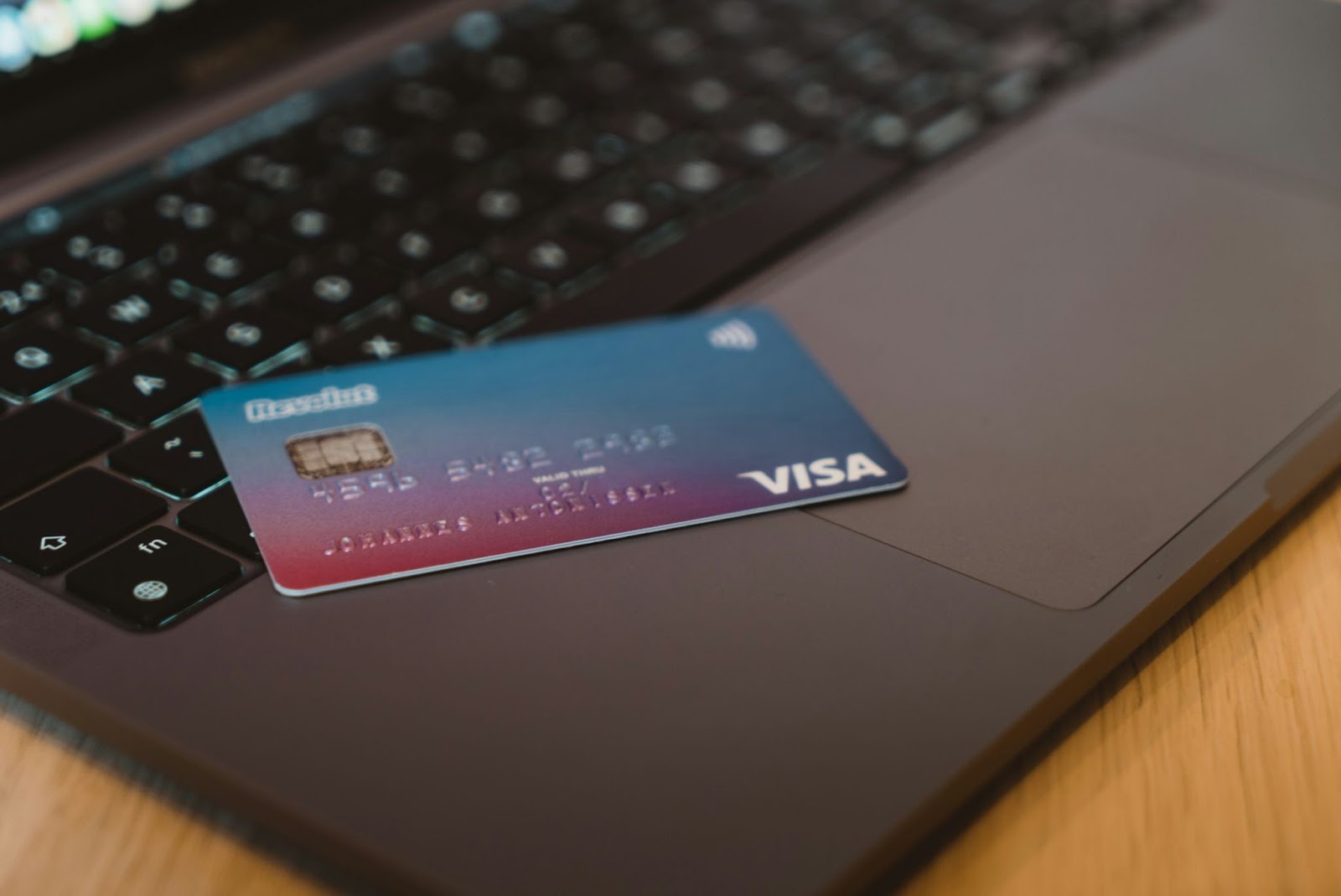
Credit and debit cards continue to dominate everyday transactions in the UK and worldwide. These methods offer speed, security, and convenience, making them popular among consumers. Many cards now feature contactless technology, allowing payments to be completed in seconds without entering a PIN for small amounts.
Debit cards are often used for routine purchases such as groceries, petrol, utility bills, or transportation fares, providing a convenient way to manage day-to-day spending directly from a bank account. Credit cards, on the other hand, are commonly used for purchases where rewards, cashback, or additional security are valued. Popular uses include booking holidays or travel, funding online casino accounts, and making large one-time purchases. Increasingly, bettors who wager online are choosing to pay with a credit card because when playing at credit card casinos UK gamers are often not only able to quickly fund their accounts, but they can also access lucrative and rewarding bonuses which can help them stretch their bankroll and play for longer. Additionally, many credit cards offer incentives like points or cashback for some purchases, which can effectively reduce the overall cost.
Both debit and credit cards remain versatile tools for managing spending efficiently, offering convenience, security, and ease of use for everyday and larger purchases alike.
Mobile and Digital Wallets
Digital payment solutions like Apple Pay, Google Wallet, PayPal, and Samsung Pay have become increasingly popular and are set to expand further. These platforms let users securely store multiple payment options and complete transactions instantly, whether in-store, online, or via apps. Many also provide rewards or special offers with participating merchants, incentivising frequent use. The convenience of managing payments directly from a smartphone, alongside features such as fingerprint or facial recognition, has made mobile wallets a favourite choice for consumers who value speed and security.
Cryptocurrency and Blockchain Payments
Cryptocurrency has emerged as an alternative payment method, with digital currencies such as Bitcoin, Ethereum, and Litecoin gaining increasing acceptance. The decentralised nature of blockchain technology allows users to make transactions without relying on traditional banks, often reducing fees and processing times. Merchants and online platforms are gradually integrating crypto payments, sometimes offering discounts or loyalty incentives to encourage adoption. The appeal of transparency, security, and borderless transactions positions cryptocurrency as a payment method that could see further growth in 2026, particularly among digitally savvy audiences and those seeking alternative financial solutions.
Contactless and Tap-to-Pay Innovations
Contactless payment technology, including NFC-enabled cards and devices, has transformed everyday transactions. The pandemic accelerated adoption, with many people preferring tap-to-pay options for hygiene and speed. In 2026, contactless payments are expected to expand further, particularly as limits on transactions increase and adoption spreads to more businesses and services. Whether using a smartwatch, smartphone, or contactless card, these methods offer seamless, frictionless payments that meet the demands of modern consumers seeking efficiency in every transaction.
Buy Now, Pay Later Services
Buy Now, Pay Later (BNPL) options have gained momentum in recent years, even among older Brits in the UK. Providers such as Klarna, Clearpay, and Laybuy allow consumers to split payments into interest-free instalments, spreading the cost over time without additional fees when used responsibly. This method appeals to shoppers looking for flexibility, helping them manage cash flow while still making desired purchases. As retailers and online stores continue to integrate BNPL options at checkout, this payment method is expected to grow further, particularly among younger consumers who value convenience and manageable spending.
Wrap-Up
The payments landscape is evolving rapidly, with technology driving significant changes in how people manage and move money. Credit and debit cards remain essential due to their security and rewards features, while mobile wallets, cryptocurrency, and BNPL services offer alternatives that cater to modern preferences for convenience, speed, and flexibility. As consumers increasingly prioritise ease of use, security, and instant transactions, these payment methods are well-positioned to see continued growth in 2026 and beyond.
