

Depending on which estimate you come across and how much you trust the sources generating it, the figures associated with Sergei Kosenko, the developer best known online as Mr. Thank You, range from $50 million to $500 million. Social media celebrities that operate private companies, have income streams that are not listed in any registry, and have never made public financial declarations frequently have a ten-to-one spread. But before you accept any particular figure, it does tell you something important: no one really knows.
The scope of the operation is what can be documented. By offering money, presents, and experiences to strangers, recording their reactions, and sharing the outcomes, Mr. Thank You has amassed a following on Instagram and TikTok through a content format that has repeatedly gone viral. The combination of wealth display and seeming compassion generates a content category that audiences heavily engage with, and the formula works because the emotions are genuine—people receiving unexpected generosity in front of a camera genuinely shocked, not fake astonishment. Millions of views, sponsorship agreements that result from those views, and advertising income on platforms that pay at scale for material that succeeds at his level.
A large portion of the material riches seems to be concentrated in Dubai. Kosenko owns real estate in the city, which has become the go-to place for content producers who have achieved significant financial success and wish to reside in an area with first-rate infrastructure, no income tax, and a peer group of other wealthy artists and business owners. Over the past few years, this cohort has contributed significantly to the Dubai real estate market, which has led to an increase in apartment and villa prices. Although the estimates are confidential, it’s probable that his real estate holdings alone account for a sizable amount of his actual net worth.
One of his most well-documented business endeavors was the Amazy NFT fitness app, which positioned itself in the move-to-earn category of blockchain applications and attracted a lot of investor attention during the NFT boom. No public financial record establishes whether that endeavor has generated long-term profits or has functioned largely as a marketing-aligned effort. From legitimately profitable enterprises to endeavors that attracted attention but lacked financial substance, the results of NFT-adjacent businesses from that era have been wildly inconsistent.
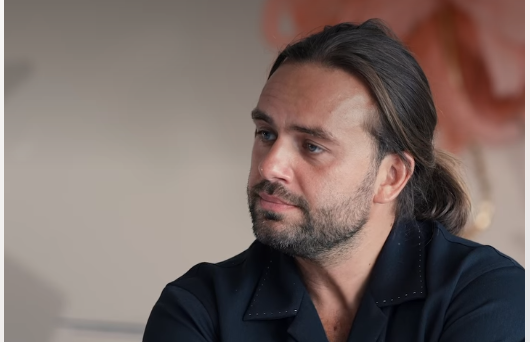
Because the public-facing signs of wealth are itself a part of the content, it is challenging to determine the net worth of creators. Mr. Thank You is a helpful example of the issue. A automobile that costs more than most people’s homes, an opulent property in Dubai, or a shopping expedition when a stranger receives a watch valued at tens of thousands of dollars are examples of assets and actions that create views, and creating views is the fundamental business strategy. It is actually difficult to distinguish between the performance and the balance sheet since the wealth is both real and performative.
