

When someone else’s legend is given to you, it comes with a certain amount of pressure. Not making one from scratch, but getting one as a gift. Going into a place where everyone already knows how the floor felt with different shoes. That’s pretty much what Paul Mescal agreed to when he picked up the lead role in Gladiator II. The movie had won best picture in 2000, had a $310 million budget, and Paramount desperately needed a big win at the box office.
The strangest place it all began was with a Zoom call. Mescal has talked about this himself: he had a 30-minute meeting with Ridley Scott, talked about the role for ten minutes, and then got off track talking about Gaelic football, Scott’s dog, and his wife. There is no audition tape. No test in chemistry. Scott must have just looked at the man and made up his mind. That instinct feels a bit old-fashioned, like a casting choice that will either become a legend or an awkward footnote in history. It looks like it worked this time.
Mescal was an odd choice, but that’s also what made him interesting. He left the small, personal BBC show Normal People, which was based mostly on restraint and quiet innerity. The performance that made him famous and got him nominated for a BAFTA and an Emmy was not at all like a gladiator fight. It was the kind of acting that works best on a small screen—soft-spoken and emotionally deep. It seemed like too much to ask that actor to lead an epic about Rome. That most likely was the point.
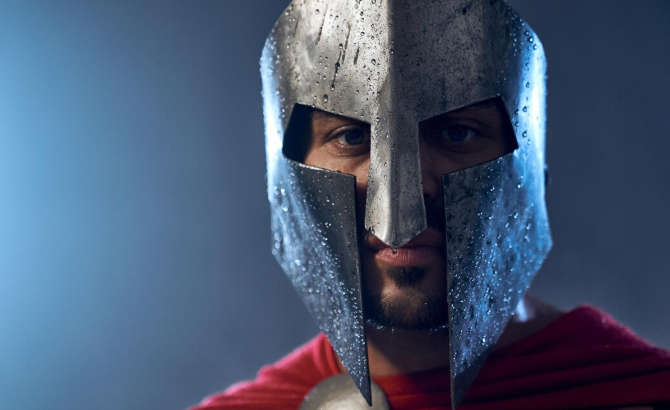
Mescal plays Maximus and Lucilla’s son, Lucius Verus Aurelius. As a child, he was sent away from Rome and is now living in Numidia under a fake name. The Romans come and kill his wife. He is a slave. He fights. The basic structure is pretty standard: revenge, identity, and the shadow of a legendary father. But how the story makes you feel depends on how well the audience buys Mescal as the character. Even so, it’s still not clear that all of them did. The movie got mostly good reviews when it first came out, but almost all of them agreed that it wasn’t as good as the original. That’s a pretty big catch.
Most of the attention from critics went to Denzel Washington’s performance as Macrinus, which earned him a Golden Globe nomination for Best Supporting Actor. And Pedro Pascal, who played the troubled general Acacius, gave the movie a heavy sense of worn-out gravity. Mescal is in the middle, though. Most people agree that he holds it together pretty well. It’s not easy for him, but he does it with conviction, which is impressive when you’re doing it in front of a rhinoceros in the Colosseum.
The box office told a lot of different stories. 462 million dollars around the world sounds like a lot of money, and in a narrow sense it is. But with a gross budget of $310 million, things get tight very quickly. This was needed for Paramount to work. The studio has had a rough time with big movies lately, and Gladiator II came with hopes that went beyond the movie itself. It was meant to show that the summer to holiday movie schedule could still be held together by a classic action epic that wasn’t based on a comic book or an existing IP franchise.
Being able to see how everything went makes you think that Ridley Scott wouldn’t admit that any of it was supposed to be hard. He made the movie he had planned. The actor he hired was the one his gut told him to hire after thirty minutes of talking to them. In twenty-three years of work on a sequel, including a really crazy Nick Cave draft in which Maximus kills Jesus in different times, he made it into a movie that was shown in theaters. That is a small miracle in and of itself.
It probably won’t be clear whether Gladiator II deserves to sit next to the first game for a few years. Strange things happen in sequences. People don’t know what to think of some of them until they have time to breathe. It’s already clear that Paul Mescal showed up, worked hard, ate chicken, lifted heavy things, and carried a $310 million movie on his back without complaining. When that call comes in, different actors answer it in different ways.
