

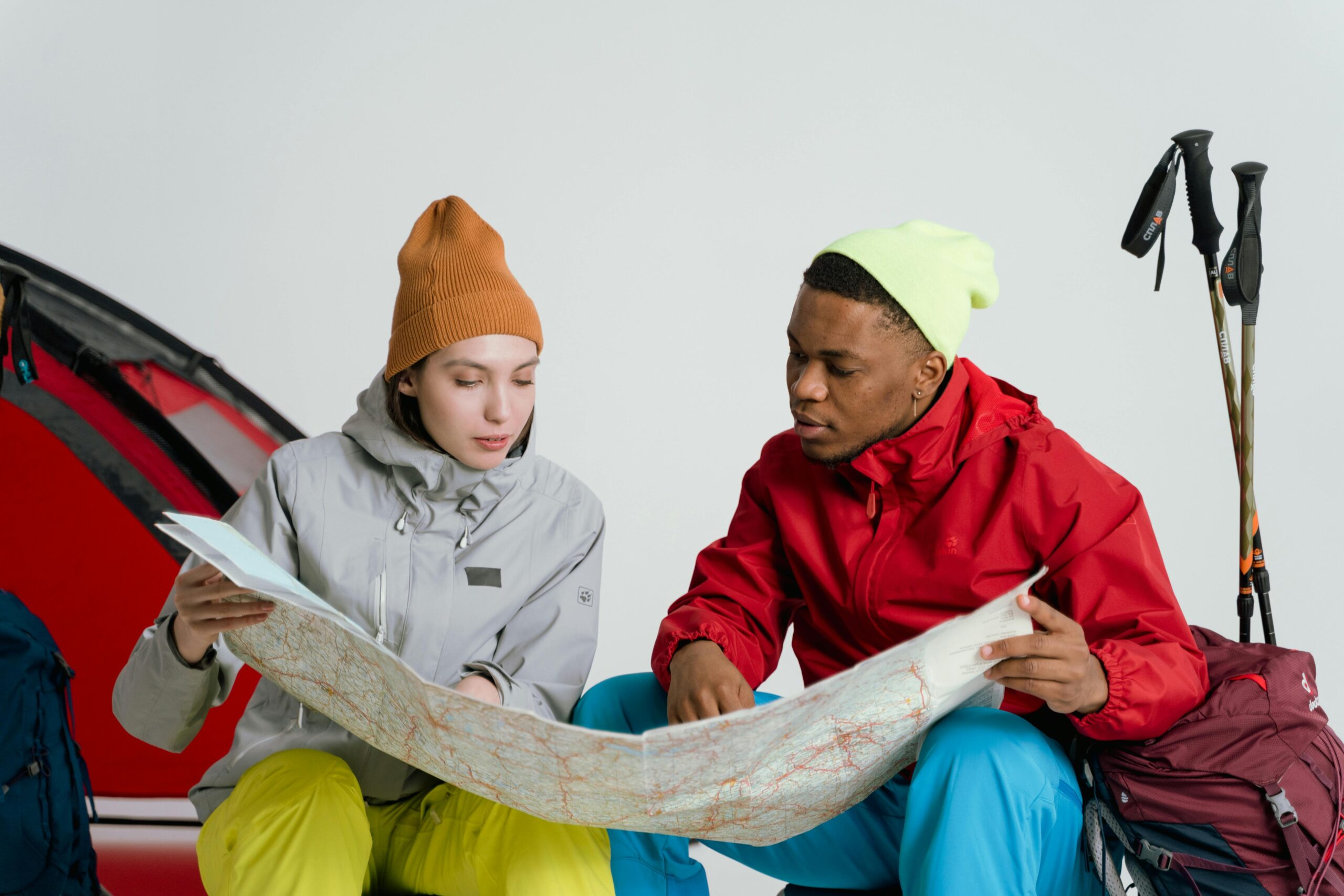
There’s something special about waking up to birdsong, breathing in fresh morning air, and unzipping your tent to see nature at its finest. But let’s be honest-camping can also mean struggling with a stubborn tent pole at midnight, dealing with a deflated sleeping pad, or realizing you forgot the one thing you actually needed.
The good news? A little preparation and some practical know-how can turn your outdoor experience from stressful to spectacular. Whether you’re new to sleeping under the stars or you’ve pitched a tent dozens of times, these camping tips and tricks will help you spend less time wrestling with gear and more time enjoying what you came for.
Getting Your Gear Right Before You Leave
Your camping trip really starts at home, not at the campsite. Going through your equipment before you pack the car saves you from unpleasant surprises later. Set up your tent in the backyard or living room to make sure all the poles are there and nothing’s broken. Check your sleeping bag for tears and give your camping stove a test run.
When packing, think about weight and accessibility. Put items you’ll need first-like your tent and sleeping gear-where you can reach them easily. Heavy items should go at the bottom of your pack, with lighter stuff on top.
Here are the essentials people often forget:
- Extra batteries and backup lighting
- A well-stocked first aid kit
- Trash bags for keeping things organized
- More toilet paper than you think necessary
- Small repair kit with duct tape and safety pins
- Multi-tool or knife
- Rope or paracord
These tips and tricks for camping might seem simple, but they make a real difference when you’re miles from the nearest store.
Choosing and Setting Up Your Campsite
Location matters more than you might think. When you arrive at a campground, take a few minutes to walk around before claiming a spot. Look for level ground-your back will thank you in the morning. Avoid low-lying areas where water might collect if it rains, and check overhead for dead branches that could fall during the night.
Finding the Perfect Spot
The best campsites offer a balance of sun and shade. Too much direct sunlight means a hot tent by mid-morning, while complete shade can leave you damp and cold. A spot with morning sun and afternoon shade is ideal for most conditions.
Position your tent with the door facing away from the wind, and consider where the sunrise will be if you prefer sleeping in. Clear the ground of rocks, sticks, and pinecones before setting up. Even small objects can become uncomfortable pressure points by 3 AM.
Tent Setup Done Right
These tent camping tips and tricks will help you avoid common mistakes. Stake out the corners of your tent first, pulling them taut before you insert the poles. This creates tension that makes the whole structure more stable and weather-resistant. If the ground is too hard for stakes, tie your guy lines to nearby trees or weight them down with rocks.
Always use a ground tarp or footprint under your tent. It protects the bottom from wear and adds a layer of insulation. Just make sure it doesn’t stick out beyond the edges of your tent, or it’ll funnel rainwater underneath.
Sleeping Comfortably in the Great Outdoors
A good night’s sleep makes everything better. Your sleeping pad is actually more important than your sleeping bag for staying warm-it insulates you from the cold ground. Inflate it fully and give it a few minutes to expand before adjusting the firmness.
Layer your sleeping setup for maximum comfort. Put down your pad, then your sleeping bag, and consider bringing a sheet or sleeping bag liner. On cold nights, wear clean, dry layers to bed-but not so many that you overheat and start sweating.
Keep these items within arm’s reach:
- Headlamp or flashlight
- Water bottle
- Warm beanie or hat
- Earplugs for light sleepers
- Phone or watch for checking time
- Small snack (stored properly)
Store food in a sealed container outside your sleeping area to avoid attracting wildlife. If you’re a light sleeper, earplugs can help with unfamiliar outdoor sounds.
Cooking and Food Storage Strategies
Camp cooking doesn’t have to be complicated. Plan meals that use similar ingredients to minimize what you need to pack. Prep vegetables and marinate meat at home, then store everything in labeled containers or bags. One-pot meals are your friend-they’re easy to make and mean less cleanup.
Set up your cooking area well away from your tent, ideally downwind. Keep a clean workspace by bringing a small folding table or using a flat rock. Organize your cooking gear in a separate container with everything you need: pot, pan, utensils, oil, seasonings, and a lighter.
Store food properly to avoid unwanted visitors. Use bear canisters if required, or hang your food from a tree branch at least 12 feet high and 6 feet from the trunk. Keep a clean camp by washing dishes immediately after eating and packing out all trash.
Weather Preparedness and Staying Dry
Check the forecast before you leave, but pack for conditions worse than predicted. Weather changes quickly outdoors, and being prepared means staying comfortable. Bring rain gear even if clear skies are expected-a lightweight rain jacket and pants don’t take much space but provide huge value when you need them.
If rain arrives, adjust your setup. Tighten all guy lines to prevent sagging, and make sure your rainfly is properly secured with no gaps. Create a small trench around your tent if water starts pooling, but only as a last resort and fill it in when you leave.
Wet gear is miserable gear. If things get damp, air them out whenever the sun appears. Hang wet clothes on a line strung between trees, and open your tent during the day to let moisture escape. Pack clothes in plastic bags to keep dry items separate from wet ones.
Making Camp Life More Enjoyable
Small comforts make a big difference. Bring a comfortable camp chair if space allows, or a lightweight sitting pad if you’re backpacking. A good book, a deck of cards, or a small speaker for music can enhance downtime.
Follow these Leave No Trace essentials:
- Pack out everything you pack in
- Stay on designated trails
- Leave natural objects where you find them
- Use established fire rings when allowed
- Make sure fires are completely out before leaving
- Dispose of gray water properly (200 feet from water sources)
These camping tips and tricks work best when combined with flexibility and a positive attitude. Things won’t always go perfectly, and that’s okay. Some of the best camping memories come from solving unexpected problems and laughing about them later.
Final Thoughts on Better Camping
Getting outside and spending nights under canvas doesn’t require expensive gear or expert skills. What matters most is preparation, common sense, and willingness to learn from each trip. Start with these tips and tricks for camping, then develop your own system based on what works for you.
The tent camping tips and tricks covered here address the most common challenges people face. Master the basics-site selection, tent setup, sleeping comfort, food management, and weather prep-and you’ll handle most situations confidently. Experience is the best teacher, so get out there and start building yours. Each trip teaches something new and makes the next one even better. The woods are waiting.

1 Comment
Pingback: ขายฝาก