

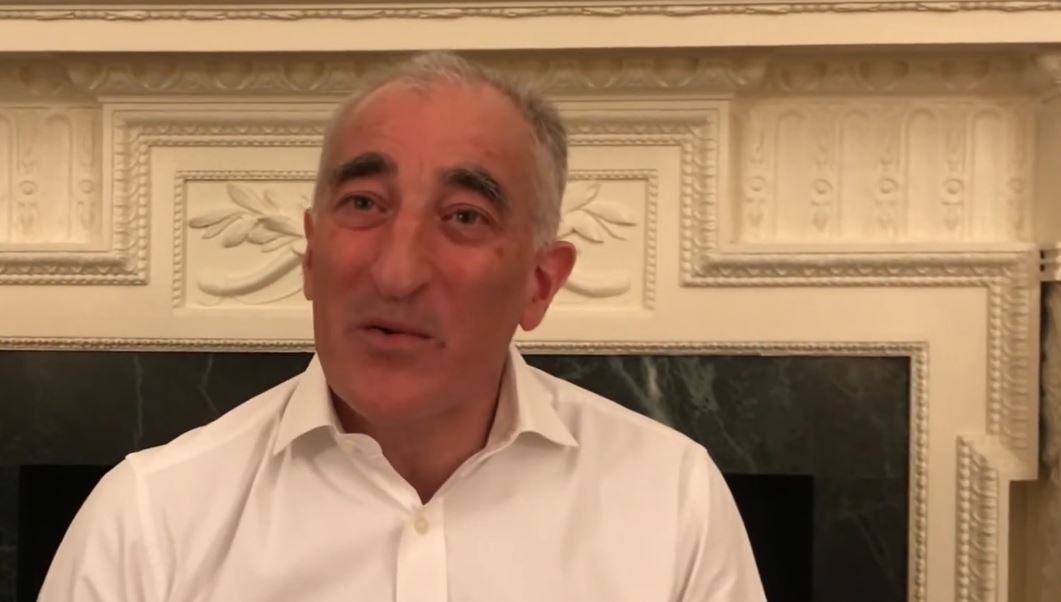
Certain types of wealth are subtle. No public declarations of ambition, no eye-catching feuds, and no eye-catching Instagram presence. That’s exactly what Rick Sopher is like. Even though the English financier has spent decades accumulating and managing significant wealth in one of the most cutthroat sectors of international finance, his name hardly makes an impression outside of the circles that closely monitor hedge fund performance.
Rick Sopher’s net worth is thought to be more than $100 million, but exact numbers are still based more on educated guesswork than verified records, as they frequently are with private financial figures of his caliber. It’s evident that his professional operation’s scale alone reveals something important. In addition to leading LCH Investments, the longest-running hedge fund in the world, Sopher serves as Chairman and CEO of Edmond de Rothschild Capital Holdings Limited, putting him at the center of a highly exclusive financial ecosystem.
In 1993, he became a member of Edmond de Rothschild Capital Holdings. That’s more than thirty years of managing capital, navigating markets, and making decisions in a field where making costly and public mistakes is more common than exceptional. It’s worth stopping to consider the longevity itself. Hedge funds have come and gone. Businesses that appeared unstoppable in 2005 have vanished. Sopher has remained. Rarely is that level of durability unintentional.
The top hedge fund managers in the world are ranked annually by LCH Investments based on net gains since the fund’s founding. It’s one of the industry’s most closely watched lists, and Sopher himself has responded to its conclusions with the calm assurance of someone who has witnessed enough market cycles to remain unimpressed by transient noise. He pointed out that even in 2016, when the hedge fund industry as a whole had a particularly bad year, the top managers still greatly outperformed the average—a remarkably composed response to a chaotic year.
His early access to elite circles was facilitated by his educational background. His career path points to someone who made thoughtful decisions rather than snap judgments. Sopher seems to have realized early on that true financial power is developed over time rather than executed for the camera.
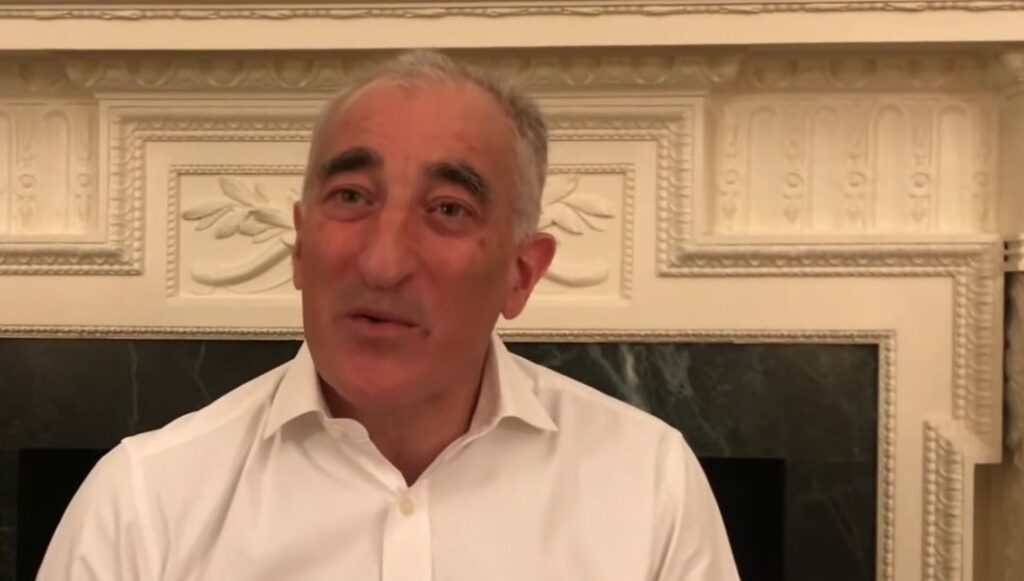
Beyond money, Sopher has demonstrated a sincere interest in interfaith discussion. He and his spouse Carol have traveled to Saudi Arabia and the United Arab Emirates on interfaith excursions, visiting places of worship and interacting with Muslim communities in a more intimate than ceremonial manner. A PR department wouldn’t plant palm trees in Medina with a local Saudi landowner. It originates from something more thoughtful.
Additionally, he is associated with Cambridge’s Woolf Institute, a scholarly organization that focuses on the interactions between Muslims, Christians, and Jews. It says something about his priorities outside of the trading floor for a man of his financial status to devote time and credibility there.
In recent years, his daughter Amelia Liana, a well-known lifestyle influencer from New York, has unintentionally brought her father’s name into the public eye. Discussions about transparency and the connection between inherited privilege and self-presentation have dominated online forums; these discussions reveal more about social media culture than Sopher. Throughout it all, he has remained virtually out of the picture.
In the end, Rick Sopher’s professional identity is inextricably linked to his wealth. The money is the result of decades of hard work in one of the most challenging areas of international finance. He is not a gambler who struck it lucky in a single cycle. He is something more uncommon: a consistent presence in a field that frequently devours people. More than any noteworthy statistic, that kind of endurance is likely the best indicator of his strength.
