

A Campbell’s soup can reaching a 23-year low is subtly unnerving. It’s not because the company is failing—it isn’t—but rather because Americans have been reaching for that little red-and-white can when they’re struggling financially for more than a century. You have to question what’s really going on inside the cart when even the least expensive option begins to lose clients.
A portion of the story is revealed by the numbers. In April, CPB shares fell to a level not seen since the early 2000s, when a large portion of today’s grocery shoppers were still in middle school. It appears that investors don’t think the downturn is an isolated incident. For nearly two years now, analysts have been pointing out the same trend on the packaged-food shelf, with General Mills, Kraft Heinz, and Smucker all caught in the same pull.
| Field | Details |
|---|---|
| Company | Campbell Soup Company |
| Founded | 1869, Camden, New Jersey |
| Stock Ticker | CPB (NYSE) |
| Industry | Packaged foods, soups, snacks, beverages |
| Notable Brands | Campbell’s, Pepperidge Farm, Goldfish, V8, Prego, Snyder’s of Hanover |
| Recent Milestone | Stock plunged to a 23-year low in early 2026 |
| Headquarters | Camden, New Jersey, United States |
| Key Pressure Points | Tariffs, persistent food inflation, slowing packaged-food demand |
| Wider Context | Part of a broader Big Food slump hitting Smucker, General Mills, Kraft Heinz |
The evidence can be found on the shelves of any mid-sized American grocery store in 2026. End-cap displays that try a bit too hard, bright orange clearance tags, and two-for-one offers on snacks that were never on sale. The center aisles, which are piled high with cans, jars, and boxes, are where shoppers move slowly, and many of them leave those aisles with less than they had before. Produce and meat from the store’s perimeter now account for a larger portion of the receipt. Even there, sticker shock is seriously harming people.
A Michigan columnist recently reported that, depending on the store, the same cut of Christmas roast beef could cost anywhere from slightly more than $100 to several hundred dollars. Like most people this year, she chose the least expensive option. She also mentioned a bag of chocolate chips that had increased from about three dollars two years ago to more than eight dollars, and a small bag of coffee beans that cost nineteen dollars. For something that most people don’t even consider when baking, that represents a 174% increase. When you multiply that by the average cart, the math quickly becomes ugly.
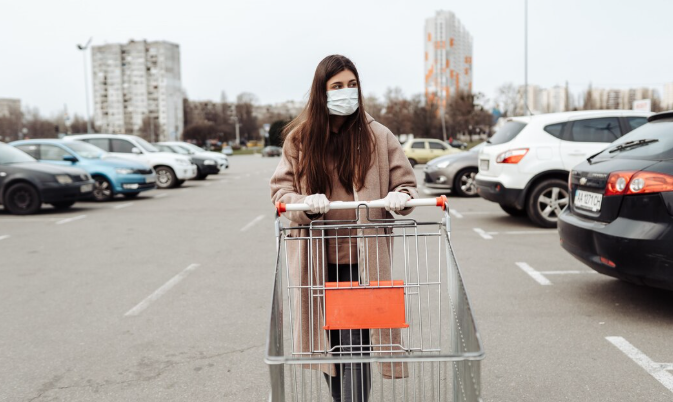
A large portion of this work is being done by tariffs. The Tax Foundation reports that retail prices have increased by about 4.9% over their pre-tariff trend, with some of the biggest losses occurring in the areas of coffee, tea, clothing, cameras, and household textiles. A packaged food company cannot simply price its way out of any of this inflation. Campbell’s can cut a nickel off a can of tomato soup, but it can’t lower the price of the remainder of the basket or make customers feel less exhausted when they leave the store with two bags rather than four.
As you watch this develop, you get the impression that there is much more to the story than just one soup company. The boxed, canned, branded comfort foods that typified American grocery shopping for generations are slowly disappearing from the middle of the cart. While consumers seek out store-brand substitutes that taste sufficiently similar, startups have been subtly challenging the industry titans with cleaner labels and quicker product launches. For decades, Big Food believed that brand loyalty would last forever. Most likely it wasn’t.
It’s really unclear what will happen next. A recession might encourage people to return to inexpensive pantry essentials, which would benefit Campbell’s. Alternatively, the move away from highly processed foods might intensify, but it wouldn’t. In any case, the 23-year low feels less like a stock chart and more like a signal—a tiny, precise figure that indicates a more significant shift in the way Americans shop, eat, and view money.
