

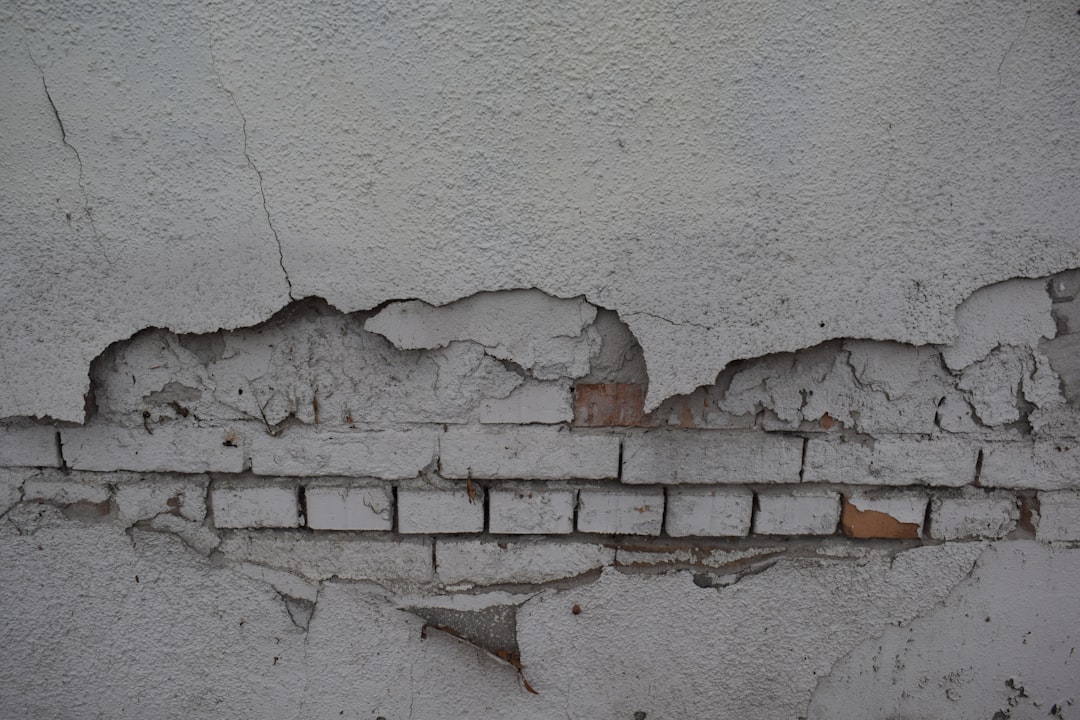
Finishing failures are the jobs that haunt you. Not because they are complicated, but because they are visible. A hairline crack that wasn’t there on handover. A corner that chips the first time a sofa brushes past. A ceiling line that telegraphs through paint once the heating’s been on for a week. Call backs cost time, goodwill, and margin, and they usually land when you are already stretched across other sites.
That is why the best merchants are more than a pickup point for trade building supplies. A decent counter conversation can stop a problem before it starts, because most finishing defects come from predictable causes: the wrong board for the environment, the wrong plaster for the background, rushed drying, incompatible layers, or a missed detail at a junction. The fix is rarely one miracle product. It is the right system, chosen to suit the room, the substrate, and the timetable.
What actually causes cracking and joint failures
Cracks nearly always start where the build is weakest. Joints move, corners get knocked, and different materials expand at different rates. If boards are not properly fixed, or if the screw pattern is too wide, the joint is asked to bridge movement it cannot handle. If board edges are damaged, dusty, or poorly aligned, jointing compound and tape never get the bond they need.
Tape choice matters more than people admit. Paper tape is strong when it is properly embedded, particularly on flats and internal angles, but it relies on correct bedding and pressure. Mesh is quick and forgiving for small repairs, but it can be less tolerant of movement and can show through if the build is too thin. Setting compounds suit speed and can reduce shrinkage in deeper fills, while drying compounds can be easier to sand but need the right drying conditions. When a merchant pushes a complete jointing system, they are not upselling. They are trying to keep every layer working together, from tape to compound to finish.
Corners also crack when the detail is wrong. A crisp angle made with the wrong bead, or no bead at all, is an invitation for impact damage and hairlines. Where there is movement, a brittle plaster bridge between ceiling and wall will often fail. A flexible detail, correctly placed and painted, is usually less trouble than a crack you keep chasing.
Why plaster blows and why it keeps happening
Blown plaster is a bond failure, and it is usually caused by background problems rather than “bad plaster”. High suction backgrounds pull moisture too fast, stealing the working time and weakening the set. Low suction backgrounds can prevent a coat from keying at all. Dust, old paint, overspray, greasy residues, or a wrongly used bonding agent can create a weak interface that looks fine until it dries, then comes away in sheets or hollows.
Thickness is another quiet culprit. Skim plaster is designed as a thin finishing coat on suitable backgrounds. Bonding plaster is designed to level and build out, but it is not a decorative finish. Ask skim to correct big hollows or cover a mixed, unstable surface and it can craze, crack, or debond. Ask bonding to do the job of finish plaster and you can end up with a surface that sands poorly, marks easily, or drinks paint inconsistently.
Temperature and drying conditions matter too. Cold rooms, high humidity, or shut windows slow drying and can trap moisture. Forced drying can cause shrinkage and crazing. A merchant who asks about heating, ventilation, and programme is often trying to save you from a job that looks fine on day three and fails on day ten.
Board choice: start right and the rest gets easier
Board sets the rules for the whole system. Standard plasterboard is fine in dry, ventilated interiors. Once you are into kitchens, utility rooms, and bathrooms, moisture resistant board is a sensible baseline. It is not a waterproofing solution, but it reduces the risk of softened cores and paper movement when humidity spikes, which is exactly when joints and beads start showing stress.
In genuinely wet zones, the conversation should shift again. Cement based tile backer boards or proprietary waterproof boards exist because gypsum boards with paper faces can be overwhelmed by repeated wetting, even if they are moisture resistant. If you are tiling, tanking, or dealing with frequent splash, the background needs to match the finish, not fight it.
Fire ratings and acoustics also change board selection. Fireline boards, impact resistant boards, and acoustic boards solve specific problems, but they can also affect fixing patterns, joint treatment, and finish coats. If you treat every board the same, you risk inconsistent performance.
The small finishing materials that prevent big defects
Beads, tapes, fillers, and primers are where call backs are prevented quietly. Beads protect edges and give you consistent thickness. Galvanised beads suit most dry internal areas. Stainless steel or plastic options make sense in damp or coastal conditions where corrosion can stain through later. Stop beads and shadow beads create clean transitions and reduce the temptation to feather plaster into nothing, which is where chipping often starts.
Fillers should match the job. A deep repair needs a filler designed to build without slumping or excessive shrinkage. A fine finish needs a smooth surface filler that sands cleanly without tearing the substrate. Primers are not optional when backgrounds are mixed. Fresh plaster, jointing compound, bare paper, and filler all absorb differently. Without a proper primer or mist coat suited to new plaster and porous surfaces, paint can dry unevenly, flash, and highlight joints you thought were invisible.
Why matching systems matters more than brand swapping
Most finishing failures come from mixing layers that were not designed to work together. A bonding agent used like a sealer. A primer chosen for stain blocking rather than suction control. A random tape paired with a compound that does not bed it properly. A paint system applied before the substrate has dried and stabilised. Merchants see these patterns because they see the returns, the complaints, and the repeat purchases for “just one more tub”.
The practical takeaway is simple. Choose a system, then follow it. Board, fixings, joint treatment, plaster, primer, and paint should be compatible and suited to the environment and schedule. When you standardise what you use, you also standardise your results.
What a good merchant asks, and what a trade should bring
A strong merchant will ask questions that sound basic but save hours later. What is the room and how wet does it get. What is the background: board, old plaster, masonry, or a mix. Are you skimming full walls or patching. How flat is it and how much build do you need. Are you tiling, painting, or papering. What is the drying environment: heated, ventilated, or cold and closed. What is the deadline, and do you need setting products to keep pace.
To get the right materials first time, it helps to arrive with details, not just a shopping list. Square metreage and board thickness. Stud centres and whether it is ceiling or wall. Photos of the background if it is a refurbishment. The final finish and when it needs to be on. Any history of cracking or moisture. If you can describe the job clearly, a merchant can match you to the right board type, the right plaster for the substrate, the right tapes and beads for the junctions, and the right primer for the finish.
Call backs are rarely bad luck. They are usually mismatched materials, rushed conditions, or missing details. The merchant angle is not about selling more. It is about using the counter as a quality checkpoint, so the finish stays finished.
