

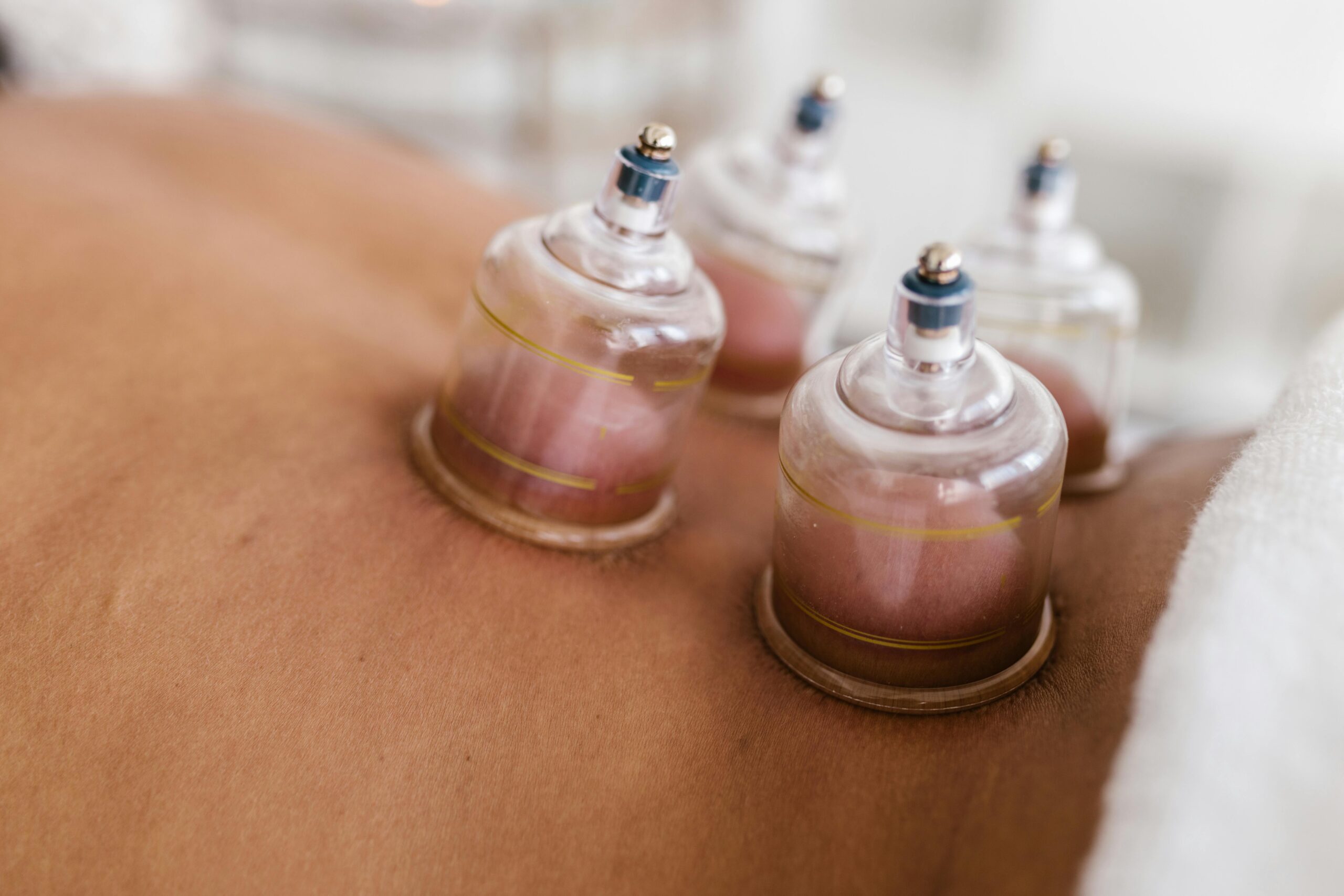
Acne treatments come and go with various claims attached, and cupping therapy has recently been promoted as a potential solution for clearing skin. This traditional practice involves placing suction cups on the skin, and while it’s been used for muscle pain and inflammation for centuries, some practitioners now suggest it can help with acne.
Understanding what cupping realistically offers — and what it doesn’t — becomes necessary before spending money on sessions.
The Mechanics of Cupping Therapy
Cupping therapy involves placing cups made of glass, silicone, or plastic onto the skin to create suction. The practitioner either heats the cups or uses a hand pump to remove air, which creates negative pressure that pulls the skin and underlying tissue upward into the cup. These cups typically remain in place for 5-15 minutes and leave circular marks that can persist for several days to a week.
Two primary methods exist. Dry cupping keeps the cups stationary on the skin. Wet cupping involves making small superficial cuts in the skin before applying the cups, allowing some blood to be drawn out. For facial applications, practitioners generally use smaller cups with lighter suction compared to treatments on the back or shoulders.
When practitioners perform cupping therapy for acne, they typically apply facial cupping with lighter suction and moving cups rather than stationary placement. The underlying theory suggests that increased blood circulation and lymphatic drainage might reduce inflammation and help clear congested skin. Whether this theory translates to actual results remains unclear based on current evidence.
Claims Made About Acne and Cupping
Proponents of cupping therapy for acne present several mechanisms through which it supposedly helps. They suggest the suction increases blood circulation to facial tissues, potentially delivering more oxygen and nutrients to skin cells. Other practitioners emphasize lymphatic drainage, claiming this process helps remove metabolic waste and reduces facial swelling.
Another frequently mentioned claim states that cupping opens pores and extracts impurities lodged beneath the skin’s surface. Some aestheticians incorporate cupping massage therapy alongside other facial treatments, arguing that suction enhances the absorption of topical products applied to the skin.
While these explanations may sound plausible, they don’t align particularly well with established dermatological understanding of acne pathophysiology. Acne develops when hair follicles become obstructed with dead skin cells and sebum, creating an environment where Cutibacterium acnes bacteria proliferate and trigger inflammation. Whether enhanced blood flow or lymphatic drainage meaningfully addresses these underlying factors remains medically questionable.
What Occurs During Facial Cupping Sessions
Facial cupping sessions begin with thorough skin cleansing. The practitioner applies facial oil or serum to allow the cups to move smoothly across the skin without pulling or tugging. Small cups, typically measuring about one inch in diameter, are then applied to various facial regions using gentle suction.
Unlike stationary body cupping, facial cupping involves gliding the cups across the skin in upward motions. Practitioners usually work systematically across the forehead, cheeks, jawline, and neck. The sensation feels firm but should not cause discomfort. Sessions generally last between 15 and 30 minutes when focused on the face.
Immediately following treatment, facial skin appears flushed and slightly edematous. Most patients do not develop the prominent circular bruising that body cupping produces, though some temporary erythema and mild marks may appear. Practitioners commonly advise avoiding cosmetics for several hours post-treatment and limiting sun exposure.
Realistic Outcome Expectations
Setting appropriate expectations for cupping therapy for acne requires understanding the difference between potential changes and wishful projections. The immediate post-treatment appearance is not particularly appealing — facial skin typically shows redness, mild swelling, and irritation directly after sessions.
Changes some patients report in subsequent days include:
- Temporary improvement in skin texture and surface smoothness
- Decreased periorbital and mandibular puffiness
- Transient flushed appearance that resolves within 24-48 hours
- Occasional breakouts attributed to supposed pore “purging”
- Mild skin sensitivity that subsides within several days
What patients should not anticipate from cupping therapy for acne includes:
- Substantial reduction in active inflammatory lesions
- Sustained improvement in acne severity or frequency
- Alterations in sebum production or pore diameter
- Resolution of atrophic scarring or post-inflammatory hyperpigmentation
- Outcomes comparable to evidence-based pharmaceutical treatments
Some individuals note their skin appears more luminous and feels softer following cupping sessions, though these effects prove short-lived. The lymphatic drainage component might temporarily reduce facial edema, creating a more contoured appearance, but this does not constitute acne treatment.
Current State of Research Evidence
Medical literature contains essentially no peer-reviewed dermatological research supporting cupping as an effective acne intervention. Published studies on cupping predominantly examine pain management and musculoskeletal applications rather than dermatological conditions.
Dermatologists consulted about cupping therapy for acne generally express skepticism. The pathophysiological mechanisms that effectively treat acne — reducing sebaceous gland activity, preventing follicular obstruction, eliminating pathogenic bacteria, suppressing inflammation—are not addressed through mechanical suction therapy in any scientifically demonstrable manner.
Some dermatologists acknowledge that facial massage techniques may provide modest benefits for lymphatic circulation and could produce temporary cosmetic enhancement. However, they distinguish clearly between these subtle, transient effects and legitimate therapeutic intervention for acne vulgaris.
There exists a substantial difference between brief cosmetic improvement and meaningful clinical resolution of an inflammatory skin condition.
Potential Adverse Effects
While cupping therapy is not inherently hazardous, facial skin possesses unique characteristics that increase vulnerability to certain complications. Telangiectasia can result from excessive suction pressure, particularly in patients with pre-existing rosacea or inherently sensitive skin.
Ecchymosis may develop even with conservative suction application, and facial bruising becomes conspicuous.
Some patients develop contact dermatitis or allergic responses to oils applied during treatment. Acne exacerbation represents another concern. The oils used to facilitate cup movement may be comedogenic in acne-prone individuals. The mechanical manipulation could theoretically spread bacteria from existing lesions to unaffected facial areas. For patients with nodulocystic acne, applied pressure might aggravate deep inflammatory lesions.
Infection control also warrants consideration. Inadequately sterilized equipment could potentially transmit bacteria between patients. Anyone considering cupping massage therapy should verify that practitioners follow appropriate sanitation protocols and use properly cleaned equipment.
Financial Considerations
Facial cupping sessions typically cost between $50 and $150, varying by geographic location and whether cupping comprises part of a comprehensive facial treatment. Practitioners usually recommend multiple sessions — frequently 6-10 treatments — to achieve any purported benefits.
These costs accumulate quickly. A patient could spend $500-$1,000 or more pursuing a series of cupping treatments without any guarantee of acne improvement. By comparison, a dermatology consultation and prescription retinoid medication would cost substantially less while offering treatment backed by extensive clinical research demonstrating efficacy.
Evidence-Based Acne Treatments
Rather than pursuing interventions lacking scientific validation, patients struggling with acne have access to therapies with robust evidence supporting their use. Topical retinoids prevent comedone formation and possess anti-inflammatory properties. Benzoyl peroxide demonstrates antimicrobial activity against acne-causing bacteria. Salicylic acid provides keratolytic action within follicles to prevent obstruction.
For moderate to severe presentations, prescription options include systemic antibiotics, anti-androgen therapies such as combined oral contraceptives or spironolactone, and isotretinoin for recalcitrant cases. These interventions target the actual pathophysiological mechanisms underlying acne rather than providing superficial cosmetic effects.
Professional procedures with documented effectiveness include chemical peels, various laser modalities, and specific phototherapy approaches. While these treatments also involve financial investment, they offer interventions with established clinical efficacy rather than purely anecdotal support.
Making an Informed Decision
Patients considering cupping therapy for acne should carefully evaluate their objectives and available resources. If someone wishes to experience cupping as a relaxation-focused treatment that might provide brief cosmetic benefits, that represents one reasonable approach.
Expecting meaningful improvement in moderate or severe acne from cupping sets up unrealistic expectations likely to result in disappointment.
Relevant questions include whether financial resources might be better allocated toward proven acne therapies, whether dermatological consultation would provide superior value, and whether underlying medical conditions contributing to acne require proper medical evaluation rather than cosmetic intervention.
For patients with mild acne who already maintain an appropriate skincare regimen and simply wish to explore additional options, facial cupping likely poses minimal risk. However, it should not replace treatments with demonstrated efficacy, and expectations must remain firmly grounded in available evidence rather than marketing claims or anecdotal reports.
