

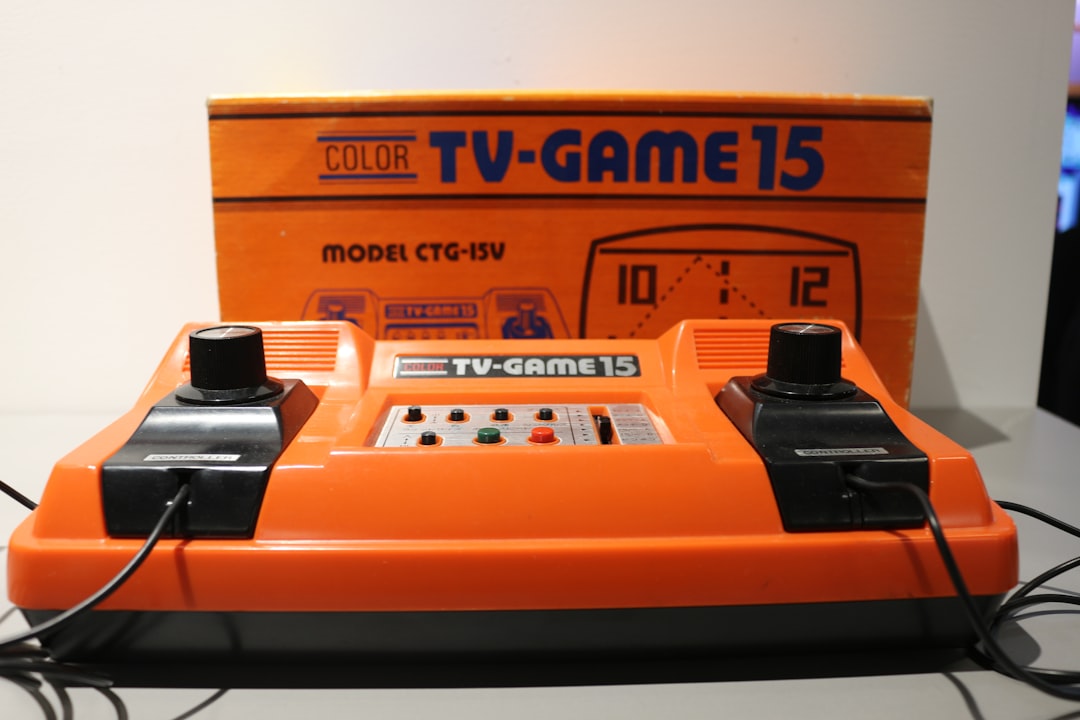
There is a reason why a screenshot from Hyper Light Drifter or Celeste looks better today than a hyper-realistic shooter from 2015. Technology ages like milk, but art direction ages like wine. In an era where AAA studios are obsessed with ray-tracing, 8K textures, and pore-rendering technology, the indie scene keeps proving a vital truth: you don’t need photorealism to create immersion.
We are witnessing a permanent “Retro Revival.” It isn’t just about nostalgia for the 80s or a longing for the “good old days.” It is a fundamental shift in values. Players are increasingly turning away from bloated, 100-hour open-world chores—maps cluttered with endless icons and busywork—in favor of tight, focused experiences. We are tired of the noise. We want games that respect our time, respect our intelligence, and strip away the excess to focus entirely on the core loop of fun.
The “Pick Up and Play” Philosophy
The true brilliance of the “retro” ethos—whether found in a pixel-perfect indie platformer or a dusty arcade cabinet—lies in its radical accessibility. You glance at the screen, and you instantly grasp the objective. There are no convoluted skill trees to memorize, no crafting recipes to wiki, and certainly no mandatory 40-minute tutorial missions explaining how to crouch. It is gaming distilled to its purest form: action and reaction.
We crave immediate feedback. This thirst for clarity explains the explosion of the “roguelite” genre, and it explains a parallel phenomenon in the iGaming world. Despite the availability of complex, cinematic 3D gambling games, titles like fire joker remain perennial fan favorites. Why? Because they channel that same honest arcade spirit. With just three reels and recognizable symbols, they offer immediate clarity—pure gameplay without the need to sit through a cinematic cutscene just to understand your win condition. Players value that honesty: here are the rules, here is your luck, let’s play.
The “Buff” System: Min-Maxing Your Bonuses
If you have ever spent hours staring at a character sheet trying to squeeze an extra 2% DPS out of a build, you already know the art of “min-maxing.” Surprisingly, this obsession with optimizing stats is the perfect mindset for approaching online casinos. Think of Welcome Bonuses and Free Spins not as free money, but as temporary “buffs” for your bankroll—consumables designed to extend your session duration.
However, any veteran RPG player knows to inspect the loot before equipping it. A piece of armor might look legendary, but if it has a debuff that drains your stamina, it belongs in the trash. In the casino world, the critical stat block to read is the Wagering Requirement. A massive bonus with an impossible playthrough requirement is essentially a “cursed item.” Be smart: optimize your loadout by hunting for low-wagering offers. Use Free Spins strategically—think of them as a way to “farm” experience and learn the game’s mechanics (or “hitboxes”) without spending a single coin from your own gold reserve.
Why Regulations Are Good for the Meta and the “Safety Patch”
In competitive gaming, when a specific weapon or tactic becomes too overpowered (“OP”) and starts ruining the experience, the developers intervene with a “balance patch.” It fixes the exploits and ensures the game remains fair. The UK gambling industry has recently undergone its own massive hotfix in the form of updated legislation and Affordability Checks.
For years, the “meta” was unbalanced, allowing vulnerable players to spiral into financial trouble without the system stepping in. The new regulations act as a global safeguard—a patch designed to fix this critical bug. While having a deposit paused for a financial check might feel like an annoying “nerf” to your freedom, it is actually a health update. By verifying that players are betting within their means, the industry ensures that gaming remains a hobby rather than a hazard. It is a necessary update to keep the servers running and the ecosystem healthy for everyone.
Seasonal Events and New Content Updates
One thing modern “Live Service” games have taught us is the joy of the Seasonal Event. We love it when Fortnite gets snowy for Christmas or Overwatch launches a spooky Halloween mode. The slot industry operates on the exact same rhythm. Developers are constantly refreshing the “content roadmap,” deploying holiday-themed reskins—from Halloween horrors to cozy Christmas layouts—that offer a familiar experience with a fresh visual twist. It is the perfect way to keep the “meta” feeling alive without reinventing the wheel.
But it isn’t just about a fresh coat of paint. Just as the indie scene is deconstructing genres (think Balatro turning poker into a roguelike), slot providers are experimenting with radical new mechanics. We are seeing a surge in innovation like “Megaways” engines that shift the board layout every turn, or “Cascading” systems where winning blocks explode to spawn new ones. These aren’t just flashy gimmicks; they are mechanical evolutions designed to add depth and variety to the classic loop, proving that even the simplest games can still surprise you.
It’s All About the Loop
Whether you are navigating a pixel-art dungeon, organizing a farm in a valley, or spinning the reels of a virtual fruit machine, the goal is the same: the release of dopamine. Gaming is about the feeling, not the polygon count. A 4K texture pack can’t save a boring game, just as three simple reels can provide hours of excitement if the rhythm is right.
As we move forward, the line between “retro” and “modern” will continue to blur. The best games will always be the ones that understand that simple doesn’t mean stupid. So, support the indie devs who value your time, respect your budget, and remember that the best graphics card in the world is your own imagination. Have fun, keep it safe, and enjoy the loop.

1 Comment
Pingback: atorvastatin calcium 20mg