

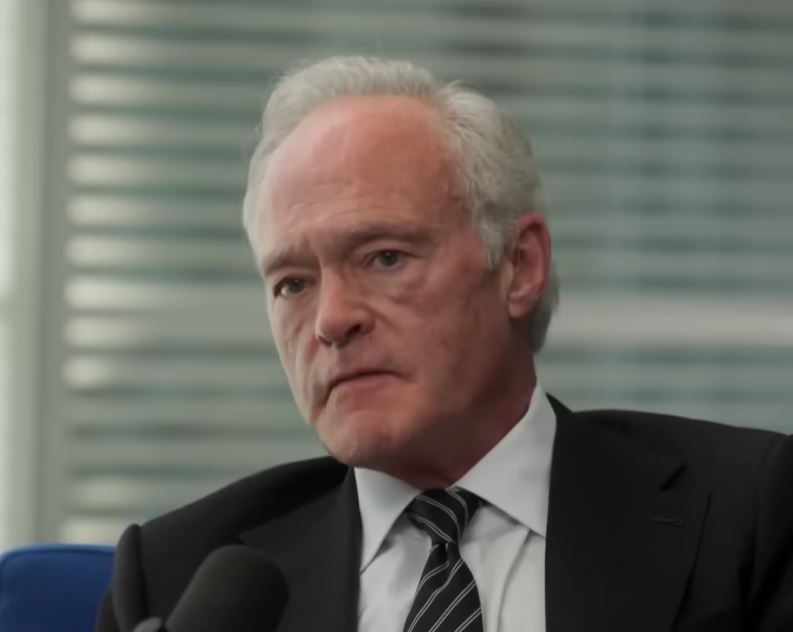
Press releases don’t always reflect a certain type of institutional harm. The following morning, it appears in Nielsen ratings. And CBS News is currently picking up that lesson in real time.
The immediate fallout from veteran journalist Scott Pelley’s dismissal from 60 Minutes in early June extended beyond the program he had dedicated years of his career to. Gayle King and Nate Burleson’s flagship breakfast show, CBS Mornings, lost viewers virtually overnight. Total viewership fell from 1.8 million on the day of the firing to 1.59 million the very next day, according to Nielsen data referenced by Oliver Darcy’s Status newsletter. During the same period, the advertiser-critical 25–54 demographic saw a 28% decline. It’s not a blip. It’s a signal.
The actual firing was noisy. Pelley publicly accused CBS News editor-in-chief Bari Weiss of “murdering” 60 Minutes and told the show’s incoming producer, Nick Bilton, that he had “slender qualifications” for the position during a staff meeting that has since become somewhat of a legend in media circles. Pelley received a letter of termination with immediate effect, citing cause, the next morning. It was quick, open, and, depending on who you ask at CBS, either extremely incorrect or long overdue.
By then, Weiss had already implemented significant changes after her publication, The Free Press, was acquired by David Ellison, the new owner of CBS. She had fired correspondents Cecilia Vega and Sharyn Alfonsi, as well as 60 Minutes producers Tanya Simon and Draggan Mihailovich. The core CBS audience, who had spent decades sitting in living rooms across the nation, knew these names. It was one thing to lose them. It was another to lose Pelley the way they did.
After the firing, there’s a chance that some viewers will return. Darcy pointed out that the numbers did slightly improve in the days that followed and speculated that the viewer protest might not have lasted long. However, it is more difficult to reverse the larger trend. Before all of this, CBS Mornings had already recorded its worst May ever. With an average of 1.7 million total viewers, June is currently moving in the same direction and is far below what the show should be. According to network sources, Darcy was told something that sounds almost like an admission of helplessness: it is very difficult to bring those viewers back once they have left.
For a considerable amount of time, CBS Mornings has been in third place in the morning ratings competition, behind Today and Good Morning America. The network has become adept at handling that role. A 6% decline from your own year-to-date average is more difficult to handle. You are not being defeated by the competition. That is your audience choosing to watch something else on their own.
There’s a feeling that the current situation at CBS is more about a trust issue than it is about any one hiring or firing. Watching TV in the morning is a habit. The audience awakens, grabs the remote, and settles into a comfortable routine. Some of those viewers simply stop returning when the editorial identity of that thing changes, familiar faces vanish, and the network’s direction begins to feel uncertain. They don’t make network calls. They don’t file a grievance. They just switch the channel, and eventually someone else picks up the habit.
It’s genuinely unclear if Weiss can keep CBS News stable or if the morning program can find a way to grow its viewership. However, it is difficult to interpret the numbers from the first two weeks of June. They serve as a warning, at the very least. The part that’s still being written is whether anyone at the network is paying attention.
