

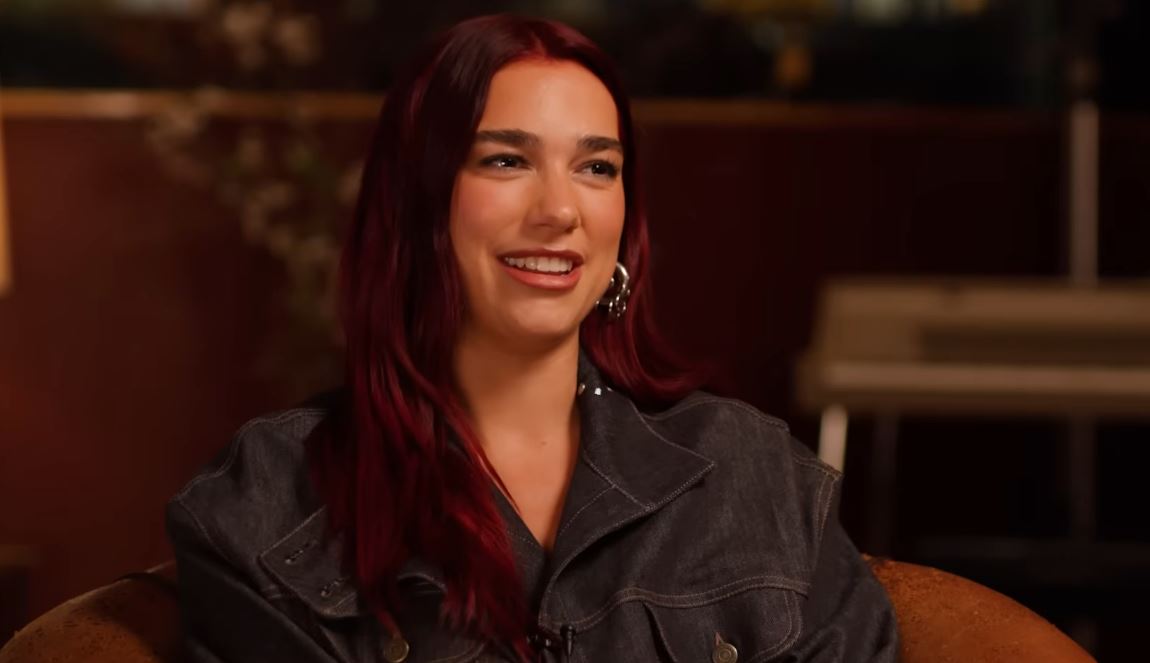
A certain part of Dua Lipa’s show at Wembley Stadium on June 20 keeps coming up when people talk about it. Someone in the front row brought a record player. Not their phone or a poster, but a vinyl record, to the standing area of a stadium that could hold 90,000 people on the hottest night London had seen all summer. Lipa filled it out. She did, of course.
It’s not important. But it showed something real about that night: the show was both huge and strangely personal at the same time, which is a balance that most stadium tours never quite achieve.
The fact that Lipa was the main act at Wembley for the first time wasn’t lost on anyone, not even her. She told the crowd, “It’s been 10 years since our first London show, which had about 350 people.” She paused long enough for the sentence to sink in. “I dreamt of a night like this.” The lump in her throat she talked about wasn’t from performing. It looked like she had been carrying it since the show began.
Radical Optimism is the name of her third studio album. The tour has been going on since 2024, but the Wembley dates felt like a whole new chapter. Almost as soon as they were announced, both nights were sold out. Demand happened quickly enough that it felt natural rather than planned. People didn’t think about what they were doing, they just moved.
The first song, “Training Season,” was slow and orchestral at the beginning, but then the band changed gears and the sound became more like a controlled explosion. Fireworks went off at the right time. It sounds easy, but it’s harder to make choreography that doesn’t feel mechanical when there are twelve dancers and the stage is that big. Lipa didn’t stop to catch her breath for the whole two hours, which was impressive because her routines didn’t really leave time for rest.
Her voice stayed the same. Saying that in a clear way is important because stadium pop has a history of putting on shows over singing. Lipa focused on the vocal runs in “Falling Forever,” worked through the Flamenco style of “Maria,” and sang “Houdini” at the end with so much energy that it felt like the show was getting better, not worse. The rasp in her voice comes from her father, the Albanian rock singer Dukajin Lipa. It gives her a rougher edge than other pop singers of the time. It works especially well in a stadium, where a voice with personality sounds different from one that is perfectly clear and has no feelings.
The part with Jamiroquai needs its own paragraph. In the middle of the show, Jay Kay walked in wearing a pink jeans and a white tasseled cowboy jacket. The older people in the crowd made the kind of noise that can only come from being truly surprised. When Lipa was a year old, the song “Virtual Insanity” was a big hit. Their version of it worked in a surprising way. Kay said, “What a privilege and an honor to be on stage with you,” and it didn’t sound like she was reading from a script.
With the special guest, the fireworks, and the scarf borrowed from a fan in the front row, something more unique than a polished stadium show came together. There were human moments in the show that kept drawing people in. As of now, only Adele and Dua Lipa are the only two British female solo artists to have performed at Wembley Stadium. It’s possible that the record isn’t the only thing that makes the accomplishment feel important. You could tell it was important because she seemed to understand what it meant and then spent two hours making sure everyone else did too.
At the end of the encore, she sang “Houdini,” and then there was silence. Clear the way out. No long farewells. I find it hard not to respect that.
