

These days, Microsoft announcements are followed by a certain kind of silence that was once exclusive to Apple keynote addresses. The room became unusually quiet for a developer conference last March when Jason Ronald entered the GDC stage in San Francisco. People hunched over. The clinking of coffee cups ceased. Microsoft was finally making a statement that sounded like a plan after years of appearing to stray from its own console identity.
The current official name, Project Helix, is not a console in the conventional sense. Or perhaps it is. That contributes to the intriguing and somewhat perplexing nature of the entire situation. Ronald described it as a hybrid device with a custom AMD chip that promises a “order of magnitude” improvement in ray tracing and can run both Xbox and PC games. Although anyone who has followed console launches knows that promises like that tend to bend a little once the hardware actually ships, the phrase landed fairly cleanly.
| Project Helix — Key Information | Details |
|---|---|
| Project Codename | Project Helix |
| Manufacturer | Microsoft (Xbox Division) |
| Announced | 6 March 2026 |
| Detailed Reveal | GDC 2026, San Francisco |
| Type | Hybrid console (plays Xbox + PC games) |
| Chip Partner | AMD (custom co-engineered silicon) |
| Upscaling Tech | FSR Diamond (machine learning, frame generation) |
| Alpha Dev Kits | Shipping to developers in 2027 |
| Expected Launch | Late 2027 (uncertain) |
| Estimated Price | $1,000+ |
| Xbox CEO | Asha Sharma |
| VP, Next Generation | Jason Ronald |
| Original Reveal of Successor | June 2025 (by then-president Sarah Bond) |
It wasn’t the specifications that surprised people. It was the chronology. Since studios won’t receive alpha development kits until 2027, a late-2027 launch seems hopeful, if not aspirational. The developers in the room looked at each other. Afterward, I spoke with a seasoned producer who shrugged and mentioned that Microsoft has always been liberal with its definitions of “ready.”
Nevertheless, there’s a feeling that the business truly knows what it’s doing this time. The new CEO of gaming, Asha Sharma, has been making the right statements in public, portraying Helix as a part of a larger “return of Xbox”—a statement that subtly acknowledges the brand’s decline. Last year’s ROG handheld experiment seemed hesitant, almost apologetic. Helix has a distinct sound. Microsoft seems interested in making a commitment to it.
The most dangerous component is the hybrid identity. By releasing former exclusives on PlayStation and Switch, Xbox has been misleading its own audience for years, and the devoted fan base felt betrayed. The pitch now basically says, “Forget exclusivity; our box plays everything, including your Steam library.” It’s the kind of audacious move that either quietly fails because no one knew what to compare it to, or it redefines a category. Earlier this year, Valve attempted something nearby and had to postpone. RAM and storage component costs continue to rise. The economics are unfavorable.
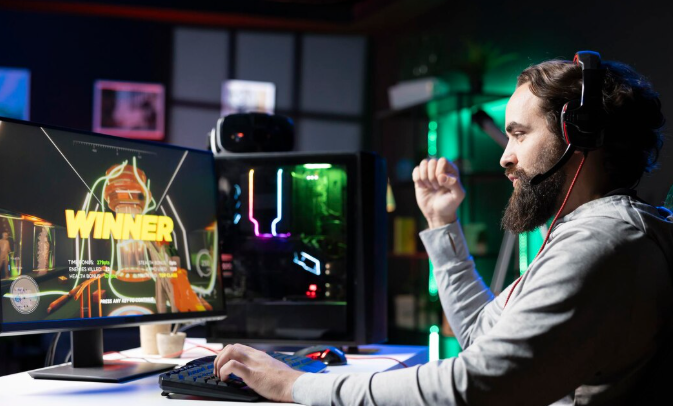
And there’s the cost. Helix is in an area where casual buyers just don’t go, with estimates hovering around $1,000 and possibly higher. That is obviously deliberate. Prior to stepping aside, Sarah Bond called the upcoming Xbox “very premium, very high-end.” The approach appears to be giving PlayStation the majority of the market while creating something for gamers who already have a gaming PC and prefer the comfort of a couch.
The question that no one at GDC could truly answer was whether that audience is big enough to support a platform. Jack Hyunh of AMD enthusiastically wrote on X that FSR Diamond was “natively optimized” for the device—a phrase engineers use when they’ve been working hard and want everyone to notice.
It’s more fascinating to watch Microsoft attempt to redefine what an Xbox even means than it would have been to see another spec-bump launch. It might not be successful. It could be a huge success. In any case, the company’s decision to stop hedging feels more like the real news than any teraflop figure.
